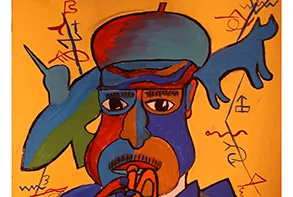
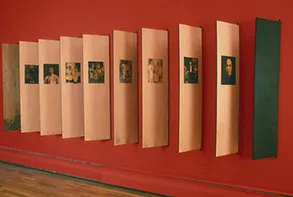
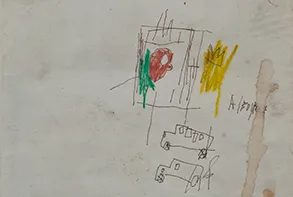
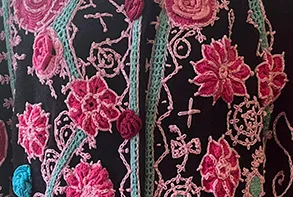
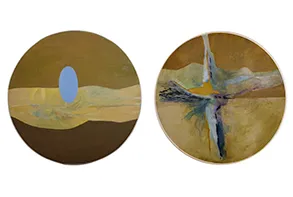
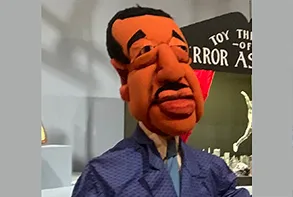
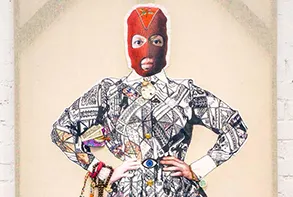
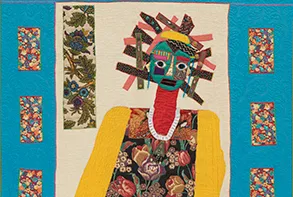
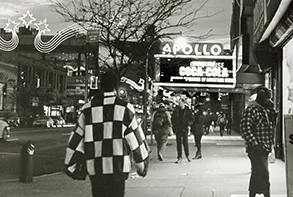
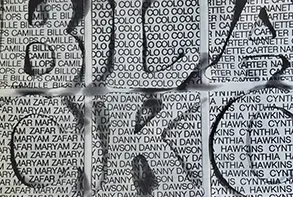
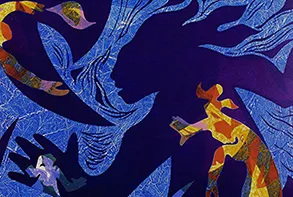
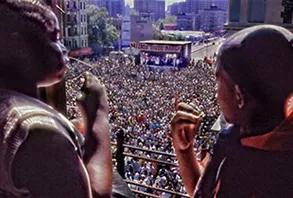
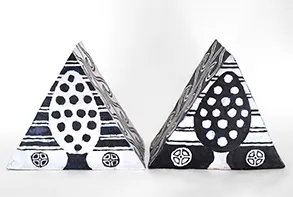
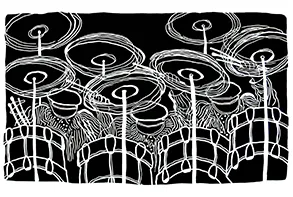
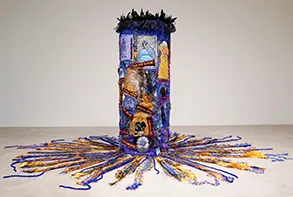
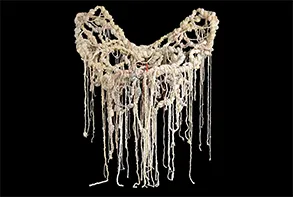
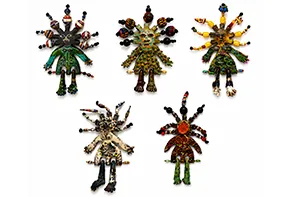
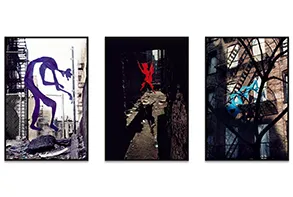
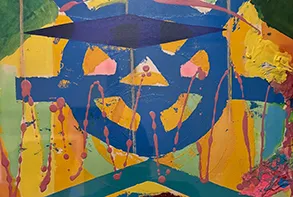
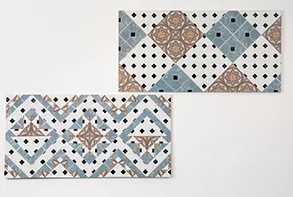
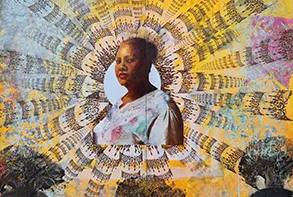
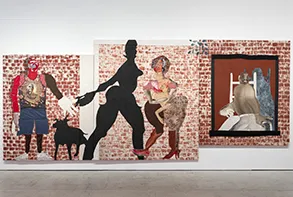
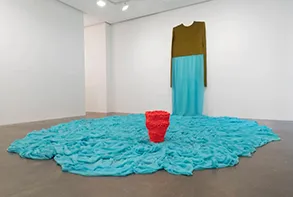
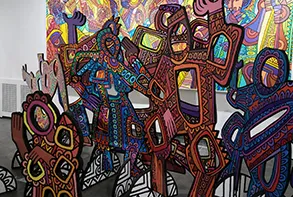
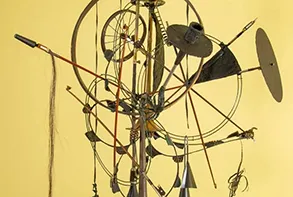
Children’s Art Carnival in Harlem: The Making of Contemporary Artists amplifies the Carnival’s central role in supporting the art of Black and diverse contemporary artists, establishing a home for emerging and established artists, and creating a dynamic teaching environment and pedagogical model for community-based arts education and meaningful artistic experiences.
Harlem’s Children’s Art Carnival (1969-present) was an outgrowth of the Museum of Modern Art's (MoMA’s) annual event-based art education series of the same name that had been established by MoMA’s founding Education Director, Victor D'Amico, in 1942. In 1969, MoMA re-imagined the Carnival as a free outreach program in Harlem under the leadership of Betty Blayton-Taylor (1937-2016), an artist (known as Betty Blayton), educator, community activist, and co-founder of the Studio Museum in Harlem. In 1974, she established the Harlem iteration of the Carnival as an independent nonprofit organization at its current home at 62 Hamilton Terrace. Blayton-Taylor’s vision for the Carnival harnessed the creative and political energy of the Black Arts Movement to provide children and youth with critical arts education in schools and community spaces, develop influential arts-based educational models such as Creative Reading through the Arts, and foster empowerment and career pathways in communities severely impacted by systemic injustice and limited resources.
Image Carousel with 12 slides
A carousel is a rotating set of images. Use the previous and next buttons to change the displayed slide
-
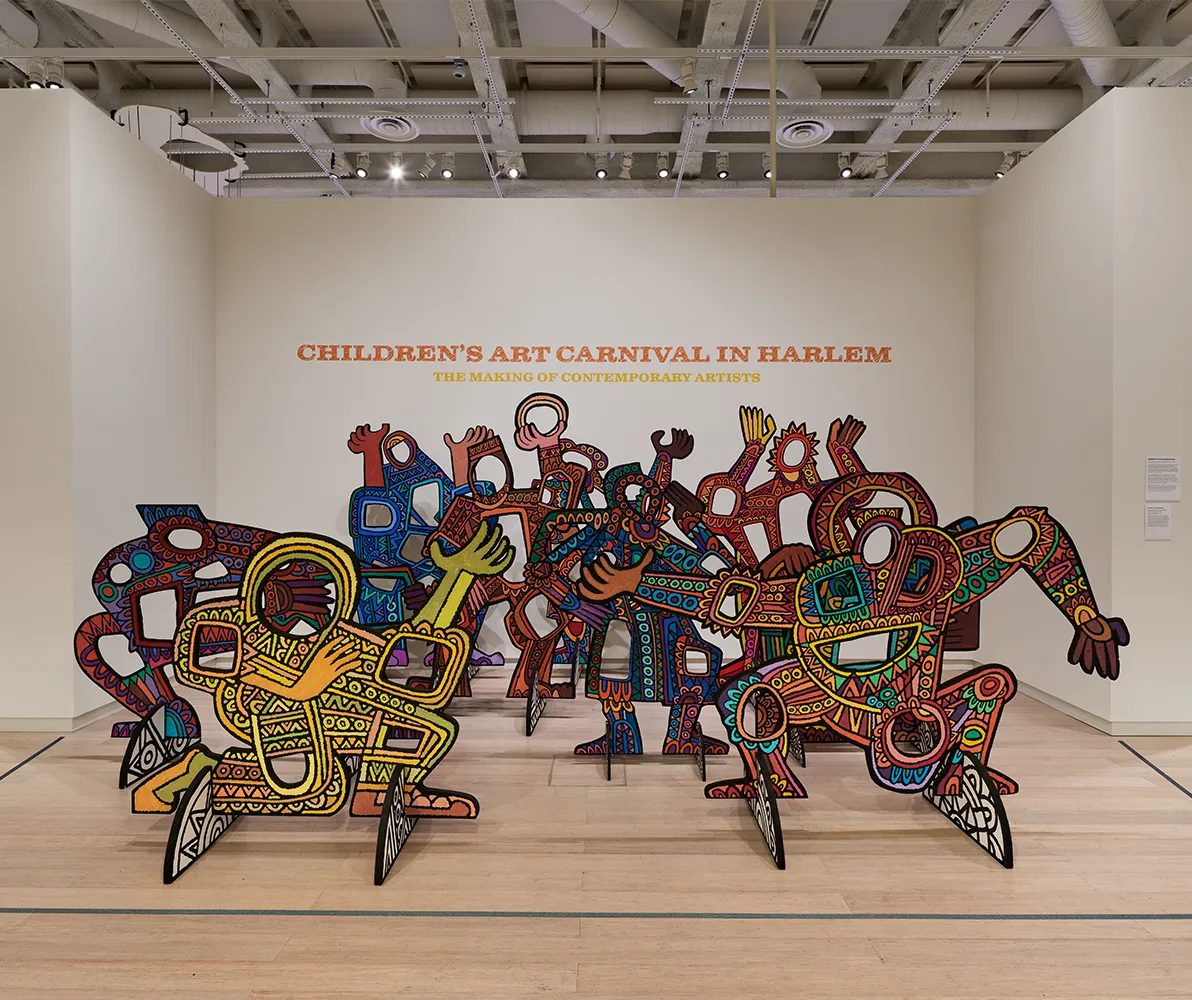
Slide 1: Installation view of “Children’s Art Carnival in Harlem: The Making of Contemporary Artists,” on view at the Wallach Art Gallery from June 26 to September 13, 2026.
-
Slide 2: Installation view of “Children’s Art Carnival in Harlem: The Making of Contemporary Artists,” on view at the Wallach Art Gallery from June 26 to September 13, 2026.
-
Slide 3: Installation view of “Children’s Art Carnival in Harlem: The Making of Contemporary Artists,” on view at the Wallach Art Gallery from June 26 to September 13, 2026.
-
Slide 4: Installation view of “Children’s Art Carnival in Harlem: The Making of Contemporary Artists,” on view at the Wallach Art Gallery from June 26 to September 13, 2026.
-
Slide 5: Installation view of “Children’s Art Carnival in Harlem: The Making of Contemporary Artists,” on view at the Wallach Art Gallery from June 26 to September 13, 2026.
-
Slide 6: Installation view of “Children’s Art Carnival in Harlem: The Making of Contemporary Artists,” on view at the Wallach Art Gallery from June 26 to September 13, 2026.
-
Slide 7: Installation view of “Children’s Art Carnival in Harlem: The Making of Contemporary Artists,” on view at the Wallach Art Gallery from June 26 to September 13, 2026.
-
Slide 8: Installation view of “Children’s Art Carnival in Harlem: The Making of Contemporary Artists,” on view at the Wallach Art Gallery from June 26 to September 13, 2026.
-
Slide 9: Installation view of “Children’s Art Carnival in Harlem: The Making of Contemporary Artists,” on view at the Wallach Art Gallery from June 26 to September 13, 2026.
-
Slide 10: Installation view of “Children’s Art Carnival in Harlem: The Making of Contemporary Artists,” on view at the Wallach Art Gallery from June 26 to September 13, 2026.
-
Slide 11: Installation view of “Children’s Art Carnival in Harlem: The Making of Contemporary Artists,” on view at the Wallach Art Gallery from June 26 to September 13, 2026.
-
Slide 12: Installation view of “Children’s Art Carnival in Harlem: The Making of Contemporary Artists,” on view at the Wallach Art Gallery from June 26 to September 13, 2026.
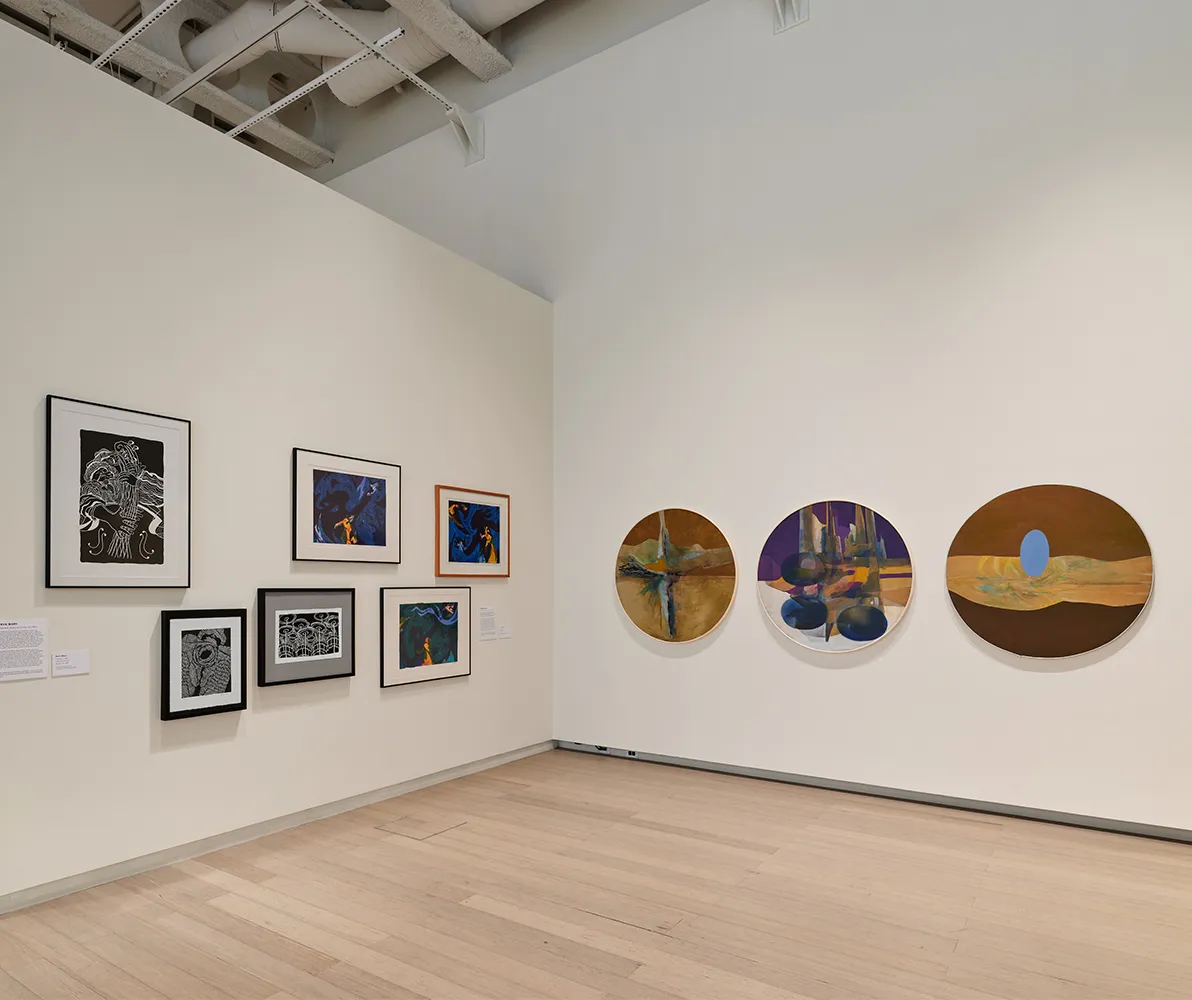
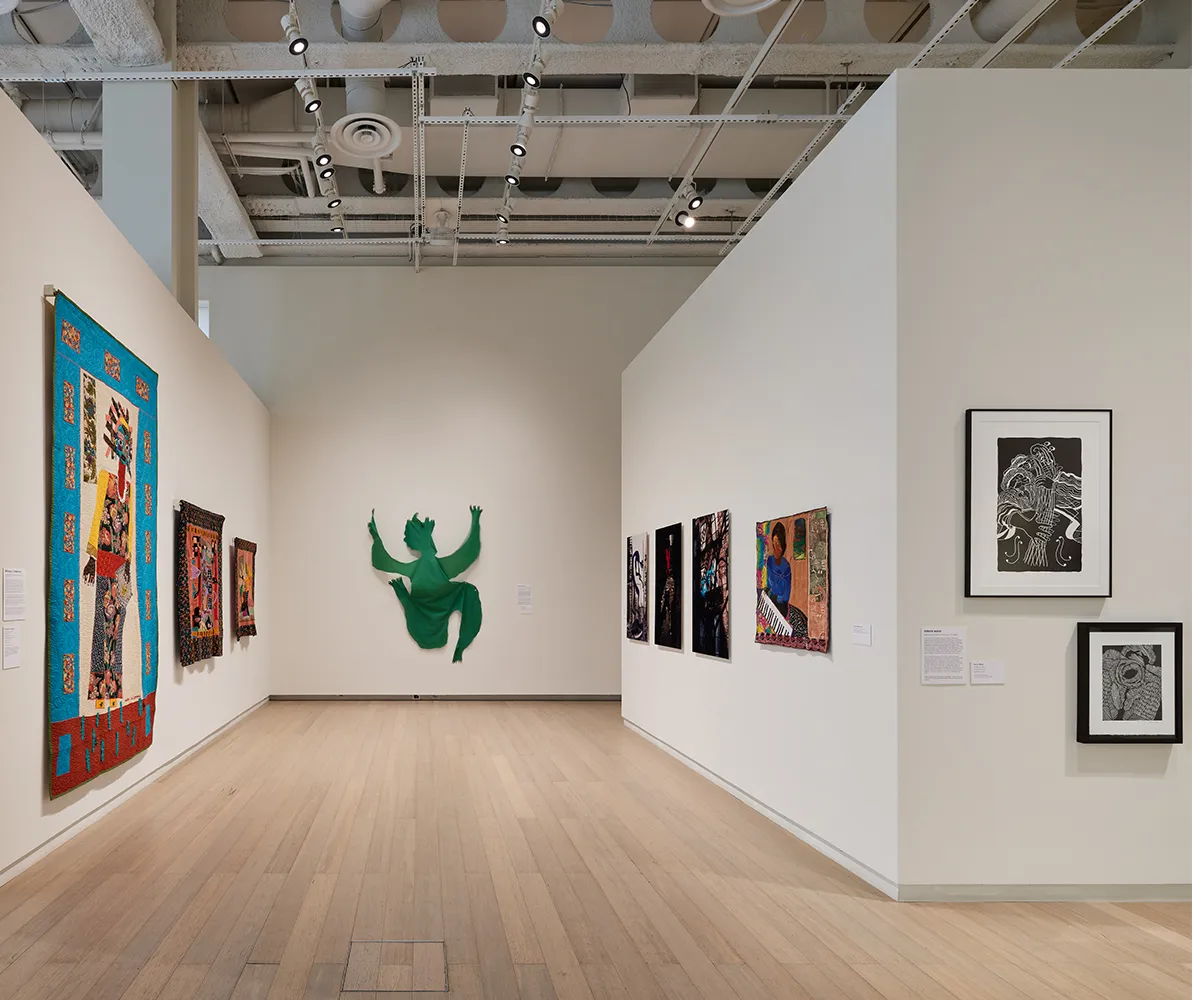
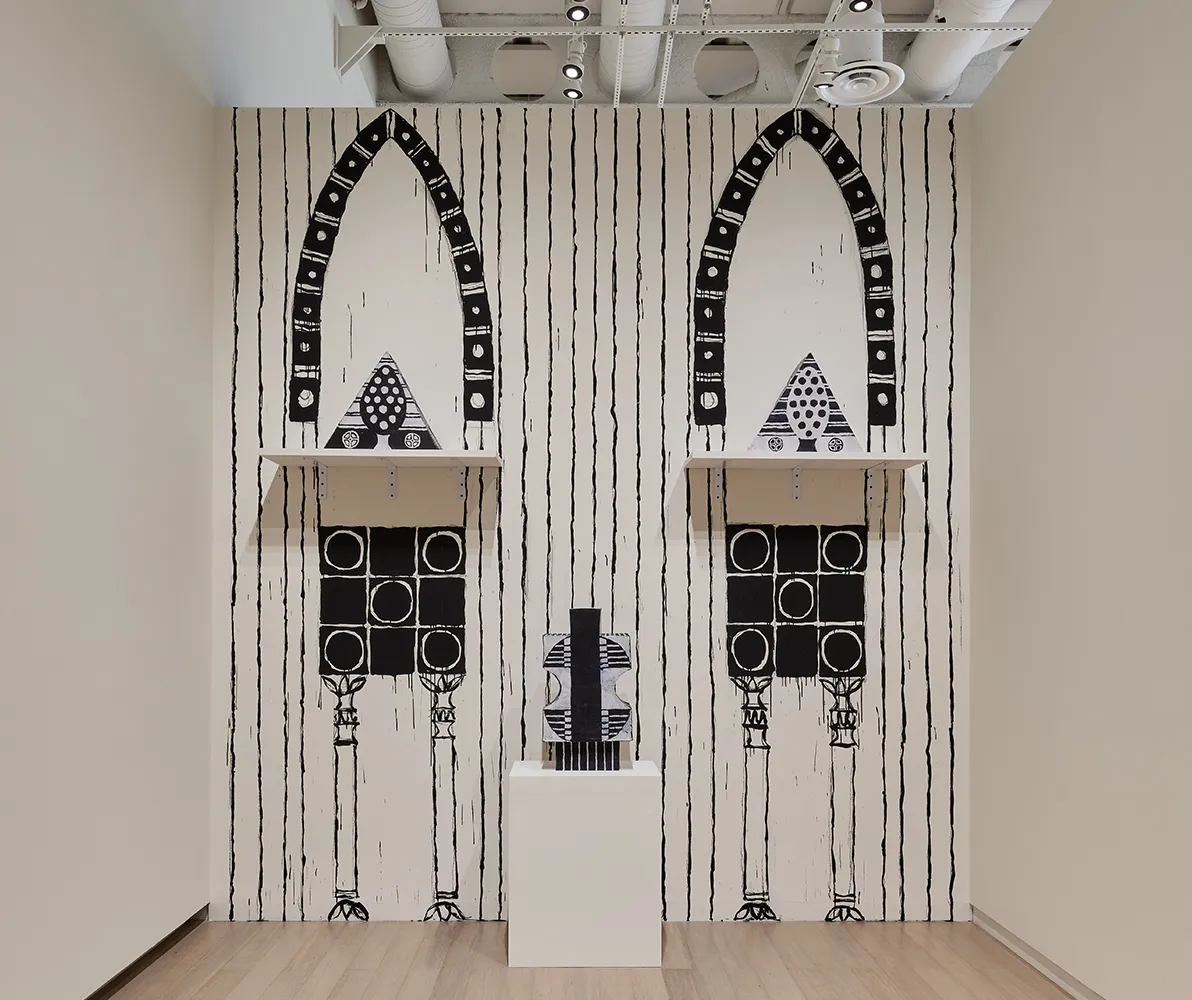
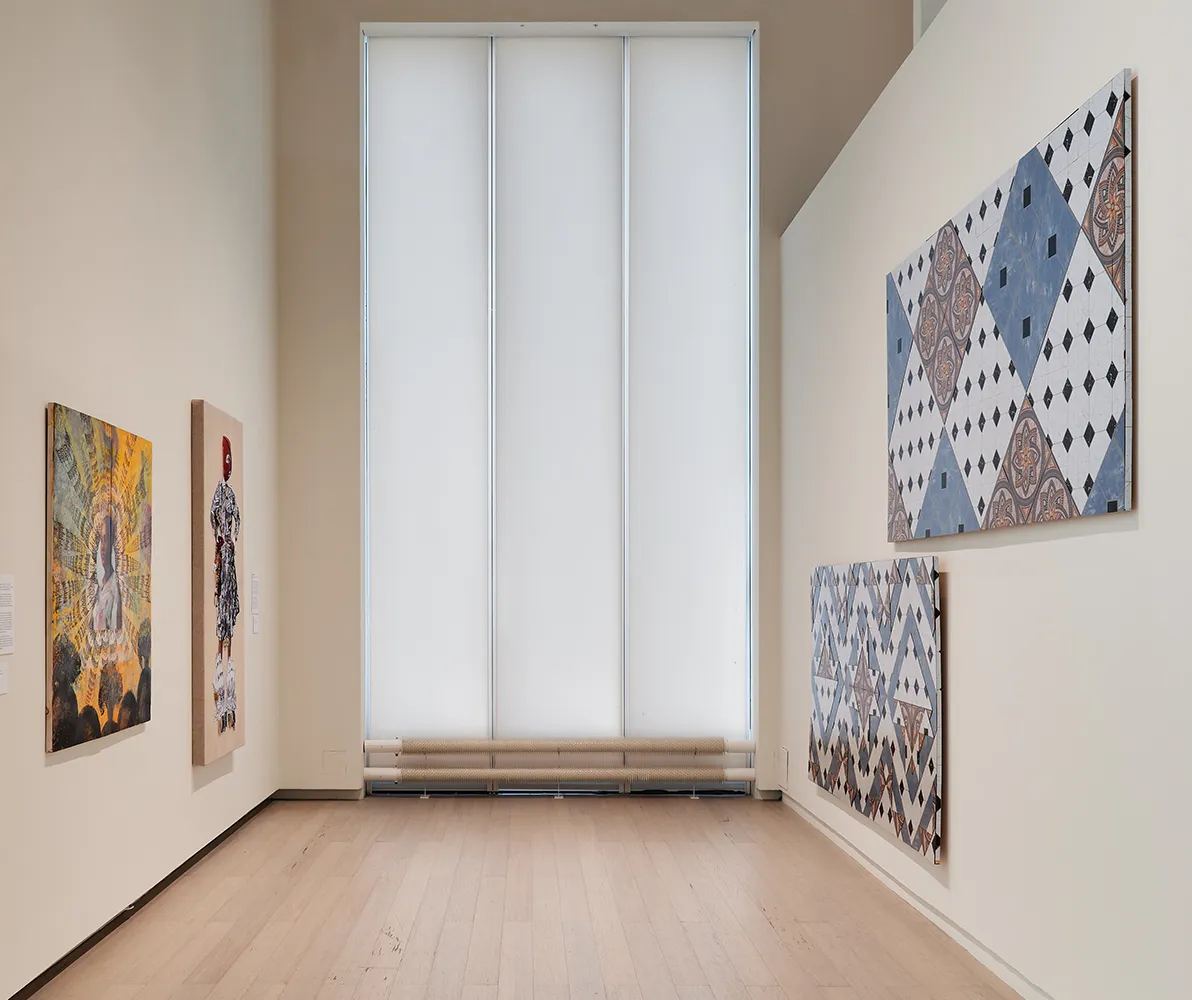
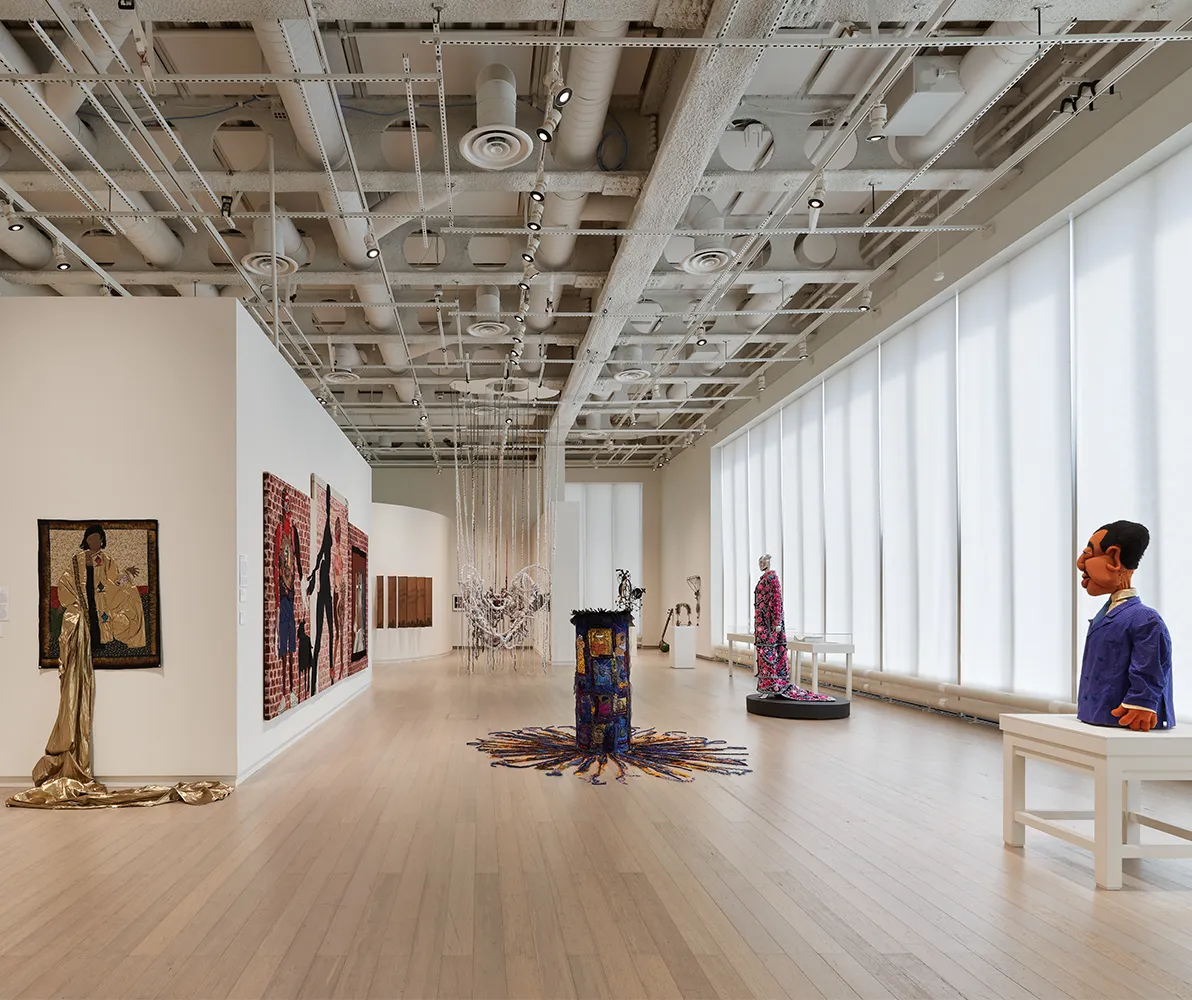
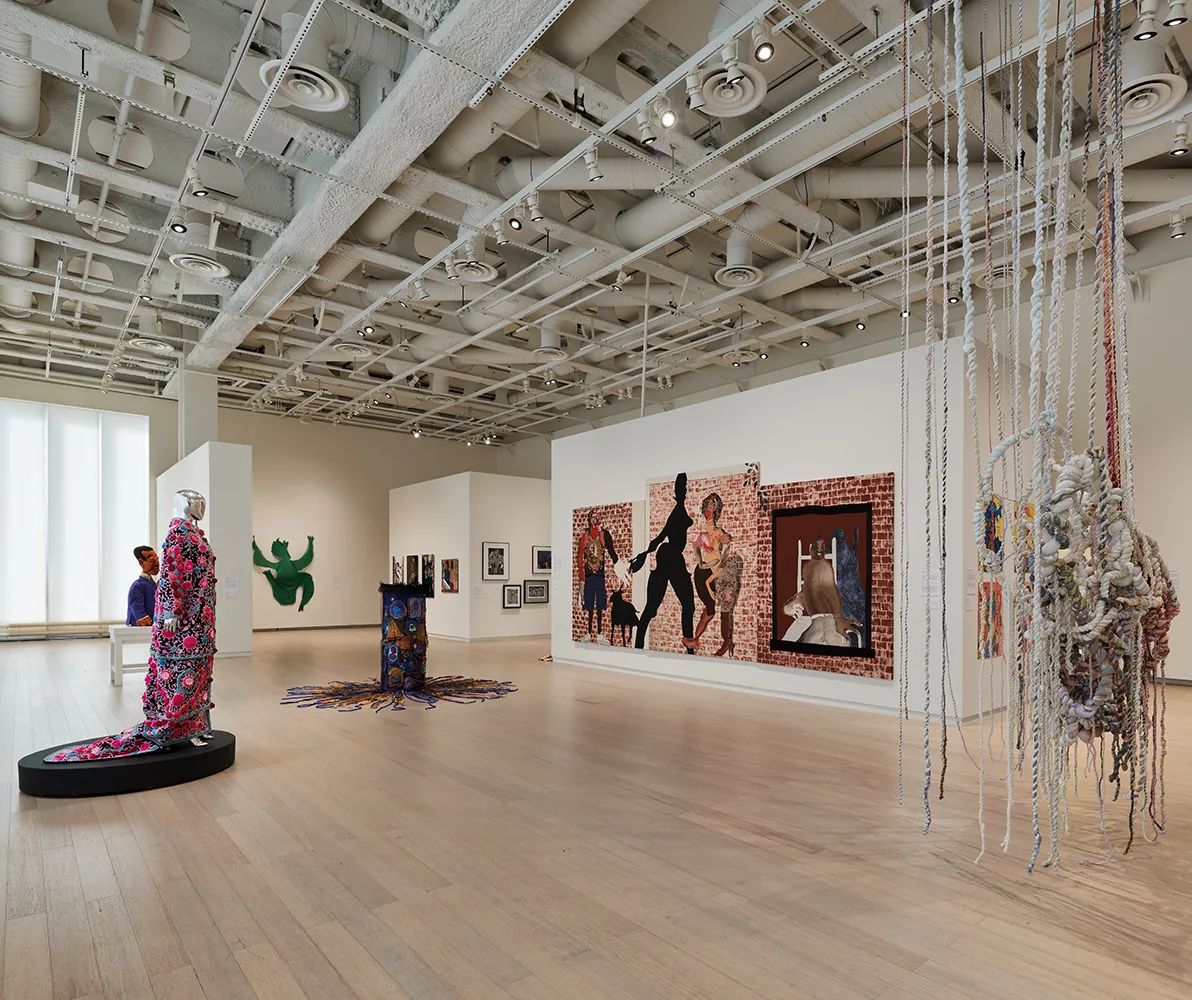
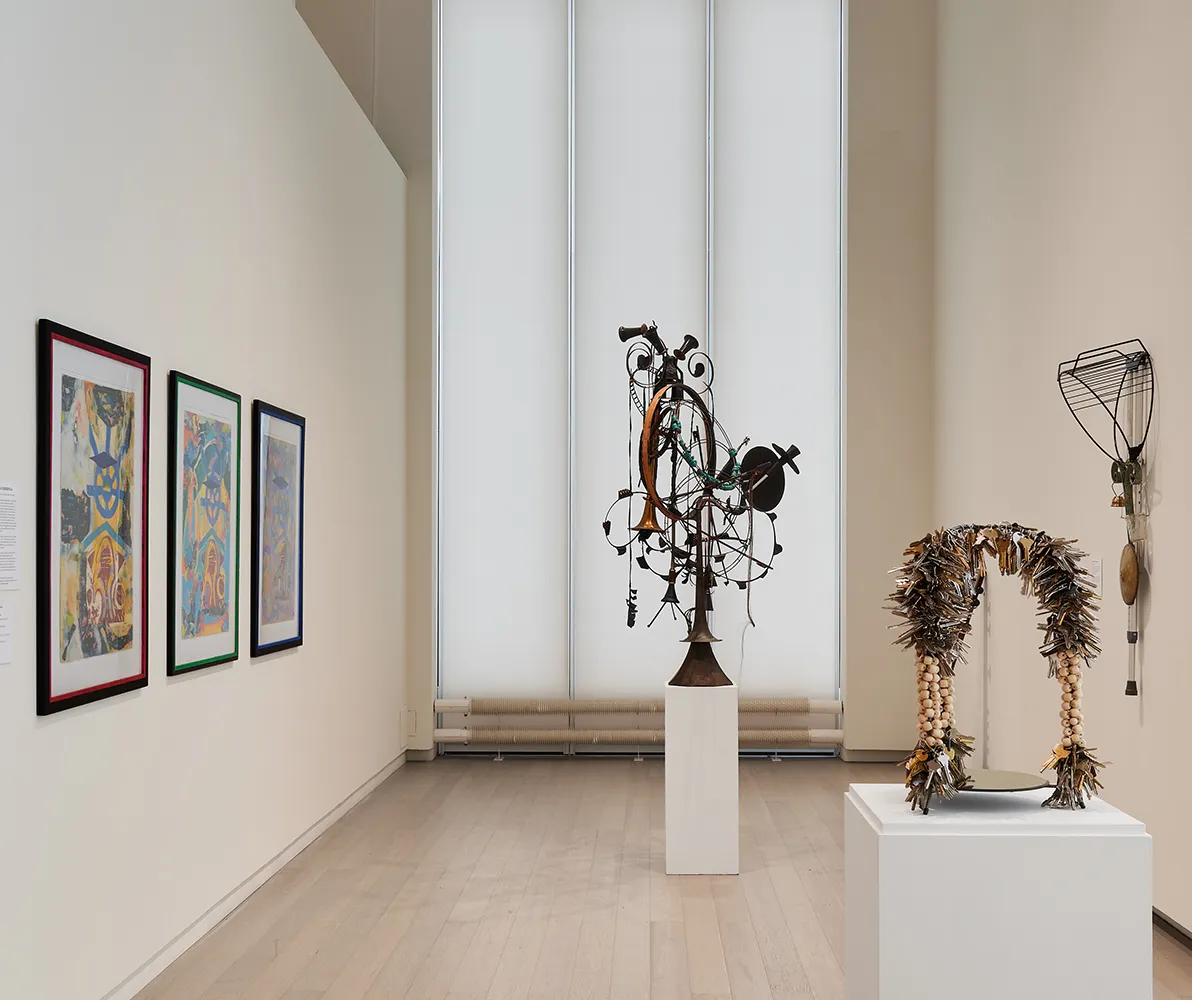
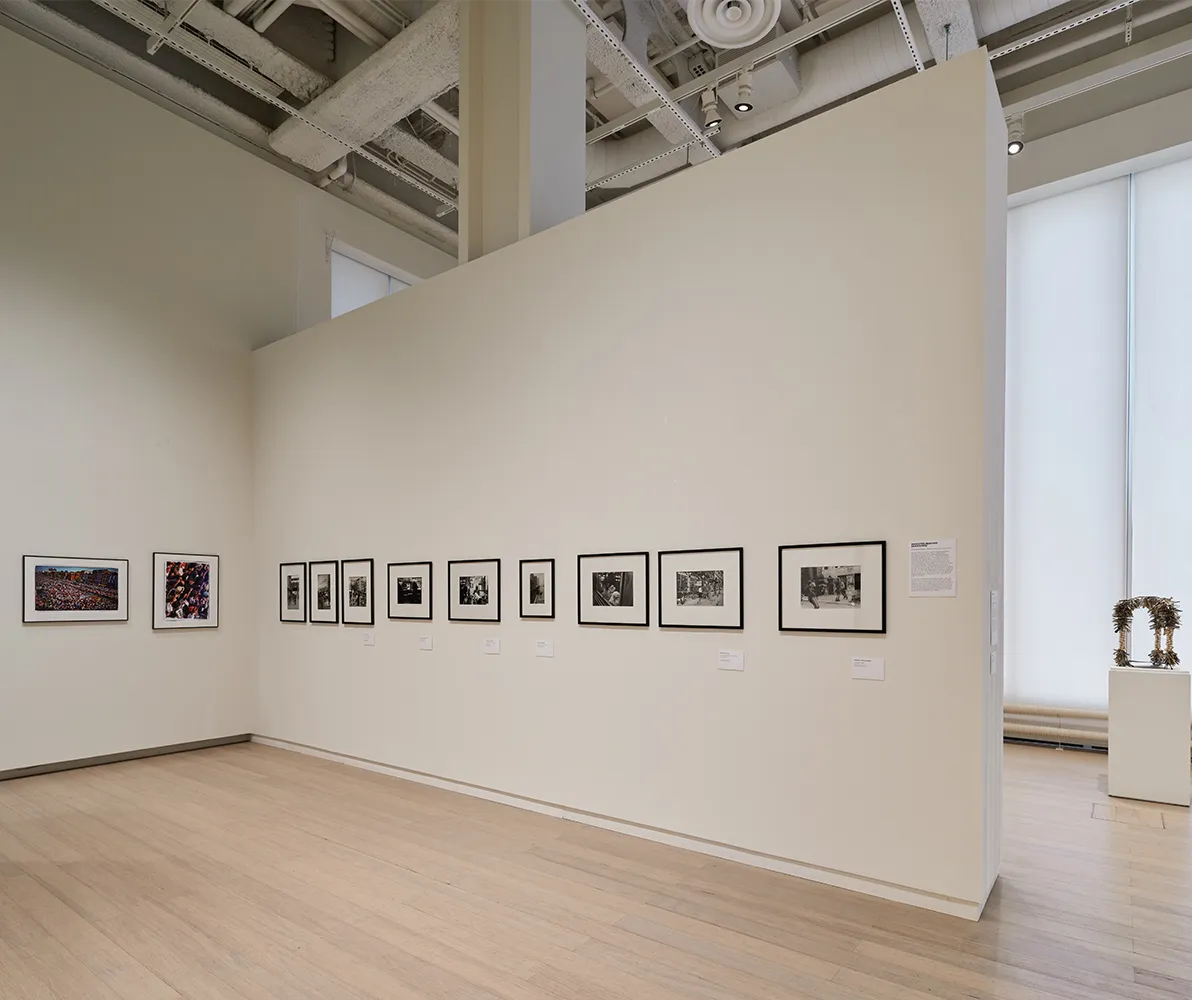
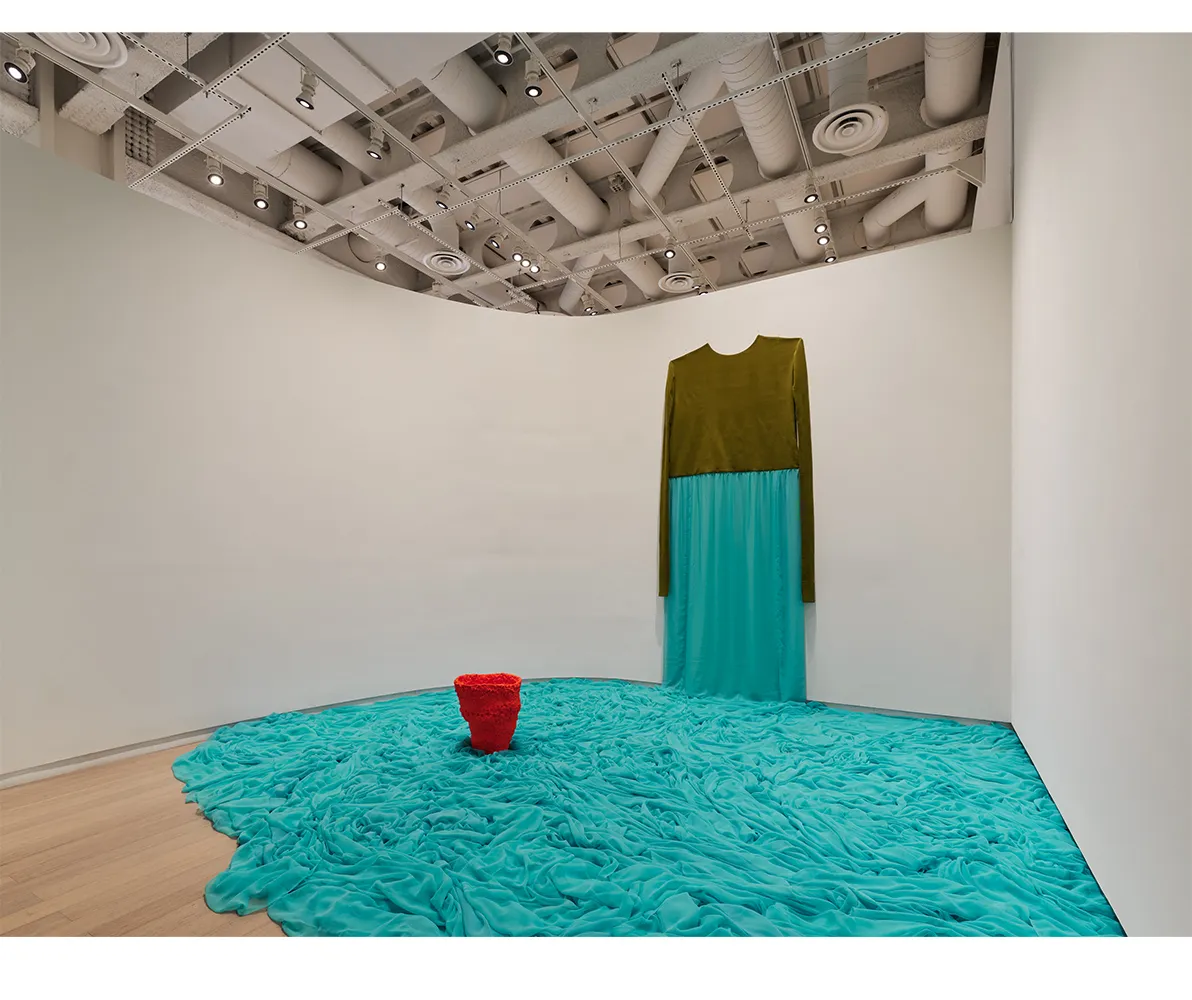
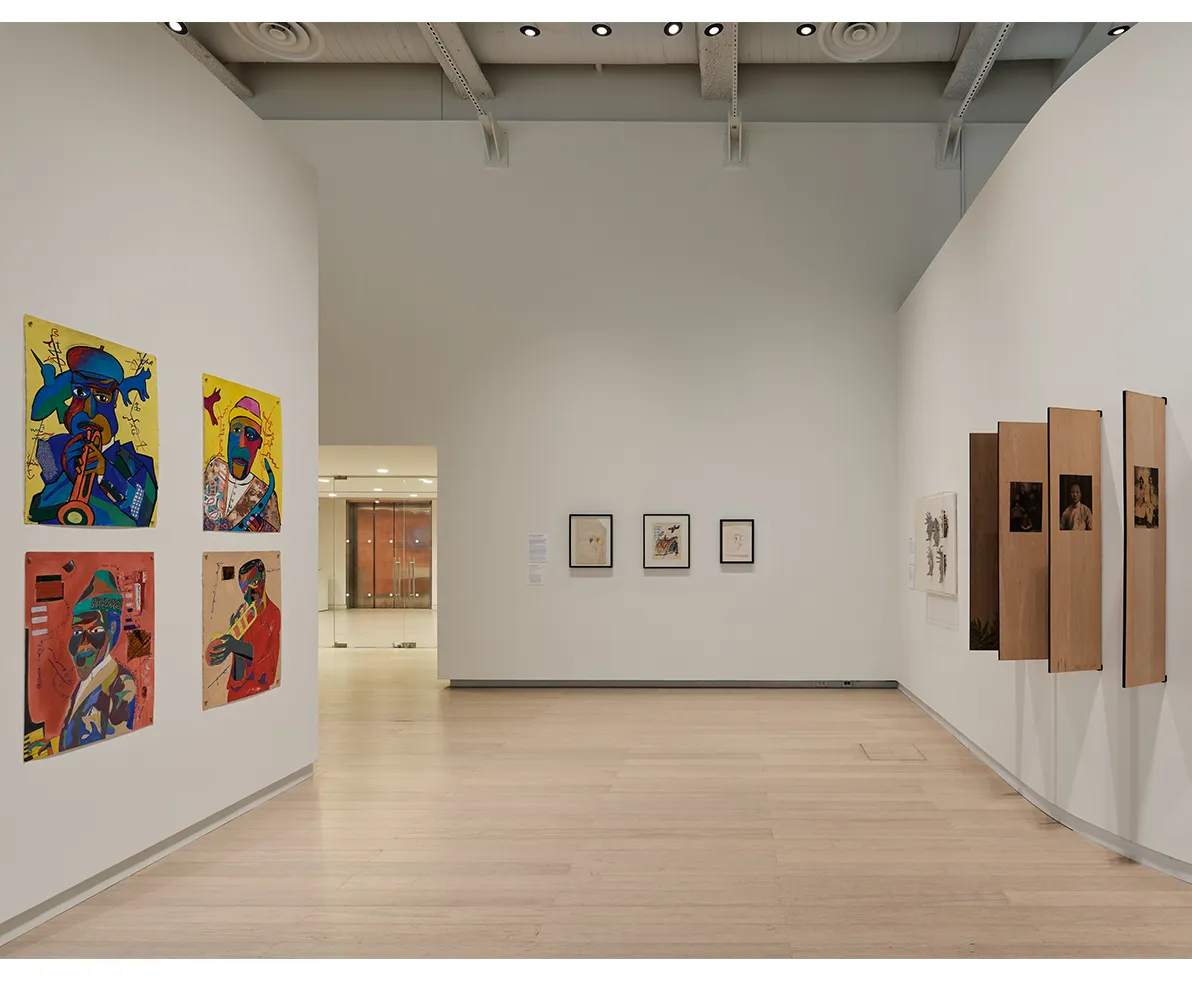
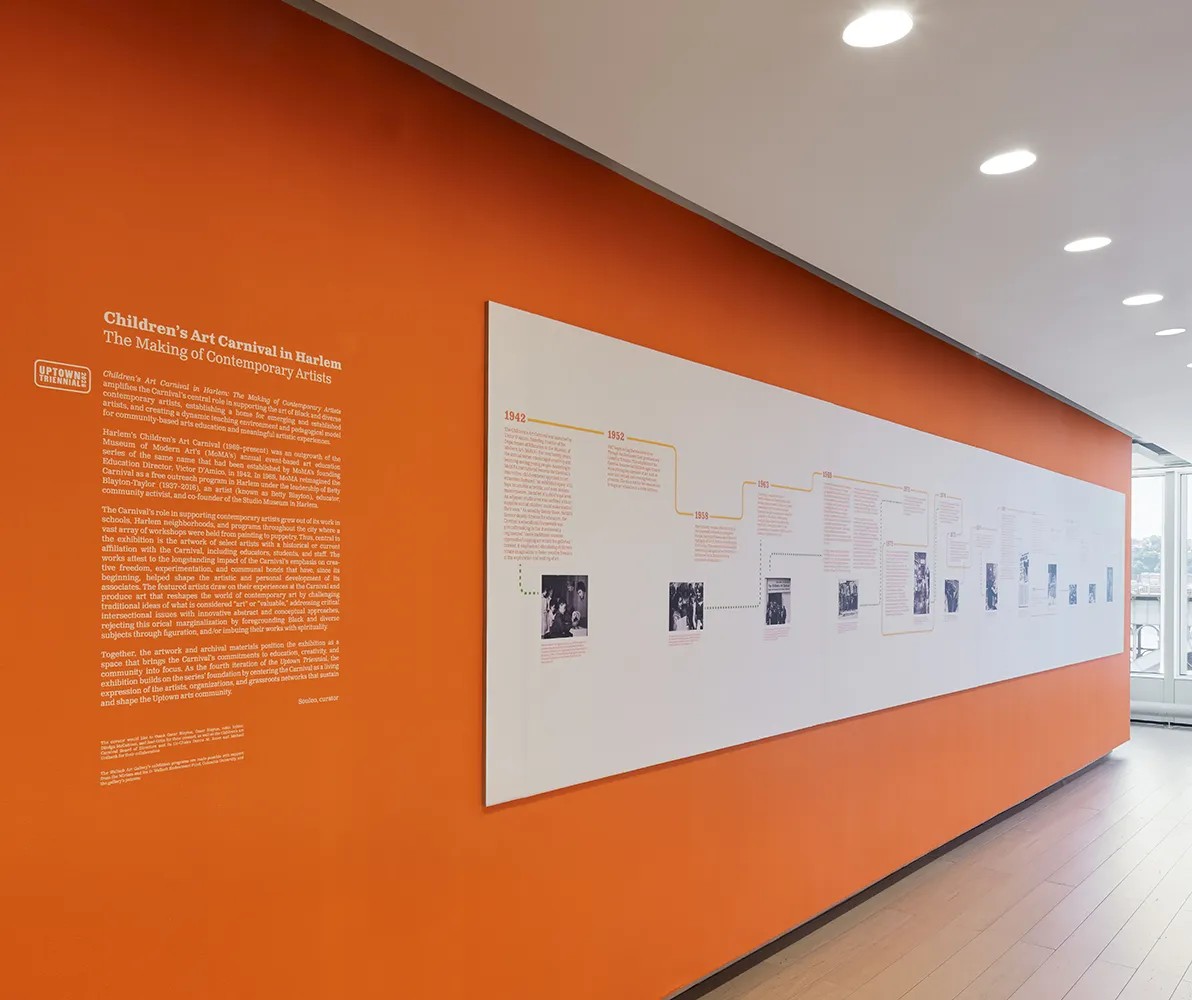
The Carnival’s role in supporting contemporary artists grew out of its work in schools, Harlem neighborhoods, and programs throughout the city where a vast array of workshops were held from painting to puppetry. Thus, central to the exhibition is the artwork of select artists with a historical or current affiliation with the Carnival, including educators, students, and staff. The works attest to the longstanding impact of the Carnival's emphasis on creative freedom, experimentation, and communal bonds that have, since its beginning, helped shape the artistic and personal development of its associates. Included are a wide spectrum of artistic practices such as painting, printmaking, and photography, legacy techniques such as quiltmaking and ceramics, and the incorporation of found objects, assemblage, and wearable art. The featured artists draw on their experiences at the Carnival and produce art that reshapes the world of contemporary art by challenging traditional ideas of what is considered “art” or “valuable,” addressing critical intersectional issues with innovative abstract and conceptual approaches, rejecting historical marginalization by foregrounding Black and diverse subjects through figuration, and/or imbuing their works with spirituality.
The exhibition includes a selection of archival materials from public and private collections tracing the Carnival’s evolution. Personal photographs and papers highlight the Carnival’s community-oriented and relationship-building ethos. Oral history interviews offer firsthand reflections.
Together, the artwork and archival materials position the exhibition as a space that brings CAC’s commitments to education, creativity, and community into focus. As the fourth iteration of the Uptown Triennial, the exhibition builds on the series’ foundation by centering the Carnival as a living expression of the artists, organizations, and grassroots networks that sustain and shape the Uptown arts community.
EXHIBITION BROCHURE

DATES
June 26 – September 13, 2026
CURATOR
Souleo, Independent Curator
The curator would like to thank Oscar Blayton, Omar Blayton, robin holder, Dindga McCannon, and José Ortiz for their counsel and the Children’s Art Carnival Board of Directors and Co-Chairs Donna Jones and Michael Unthank for their collaboration.
PAST EVENTS
ART, JAZZ, AND REFLECTIONS: THE CHILDREN’S ART CARNIVAL
July 11, 2026; 1:00–2:00 PM
WALLACH SKETCH SESSION AT THE LEE C. BOLLINGER FORUM
July 15, 2026; 12:00–1:30 PM
EVERYBODY HAS SOMETHING TO SAY: PERSPECTIVES ON THE CHILDREN'S ART CARNIVAL IN HARLEM
August 21, 2026; 6:00–7:00 PM
WALLACH SKETCH SESSION AT THE LEE C. BOLLINGER FORUM
September 9, 2026; 12:00–1:30 PM
RADICAL ARTS EDUCATION: YOUTH DEVELOPMENT AND THE CHILDREN'S ART CARNIVAL
September 13, 2026; 1:00–2:00 PM
WALLACH WORKSHOP: THE GARDEN OF STITCHES
September 13, 2026; 2:30–4:30 PM