DINDGA MCCANNON
(b. 1947, Harlem, NY; lives and works in Philadelphia, PA)
Dindga McCannon, a third-generation Harlemite, is a narrative quilt artist who blends traditional needlework with found materials from New York streets. Influenced by the Weusi Artist Collective, the Robert Blackburn Printmaking Workshop, and mentors such as Jacob Lawrence and Faith Ringgold at the Art Students League, her work highlights Black history, music, and women’s connections. A member of the Where We At collective, she continues to foster artistic community. Her work has been exhibited at the Brooklyn Museum and the Phillips Collection and is held in major collections including the Whitney Museum of American Art and The Hirshhorn Museum. McCannon has also completed commissions for ESPN and Columbia University.
Children’s Art Carnival affiliation: Teaching Artist, circa 1987–1994

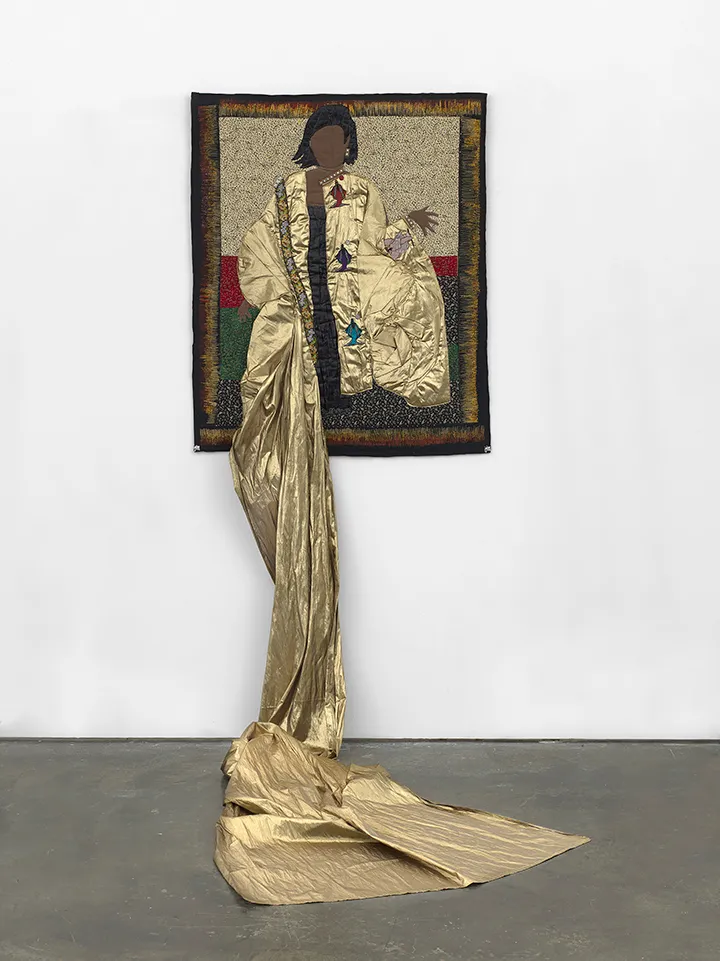
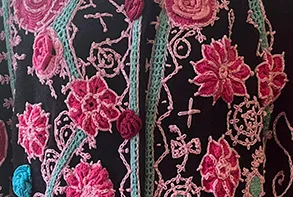
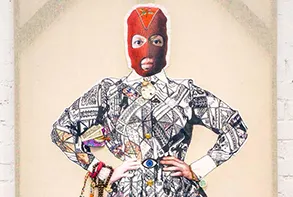
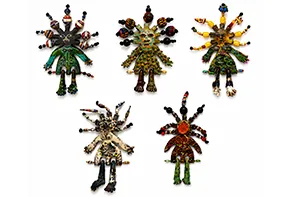
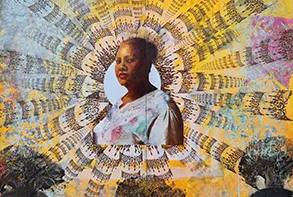
Bessie’s Song, 2003
Appliqué on cotton quilt, gold lamé, vintage beaded trim, embroidered patches, glass beads, metallic threads, and quilted panel
44 × 36 in.
Courtesy of the artist and Fridman Gallery
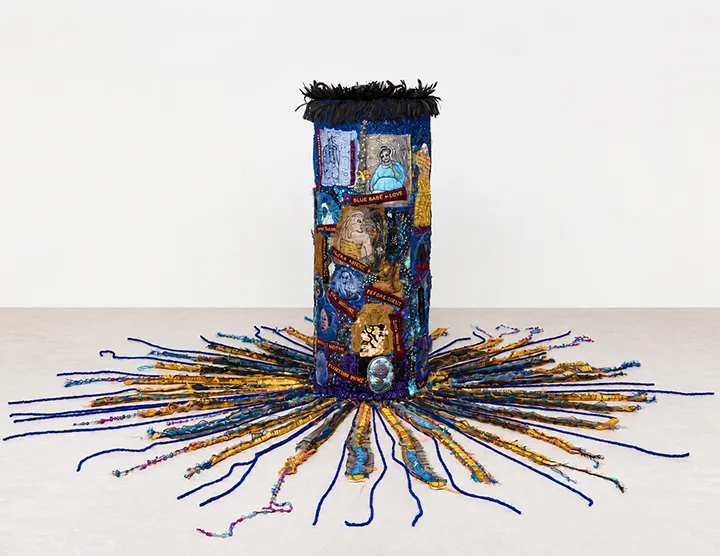
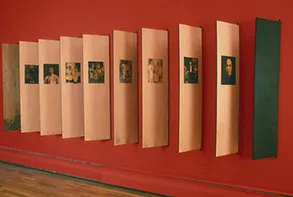
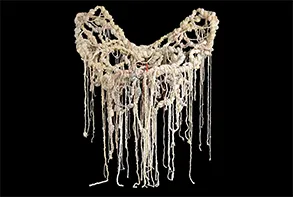
Blues Queens, 2021
Mixed media quilt
54 × 118 in.
Courtesy of the artist and Fridman Gallery
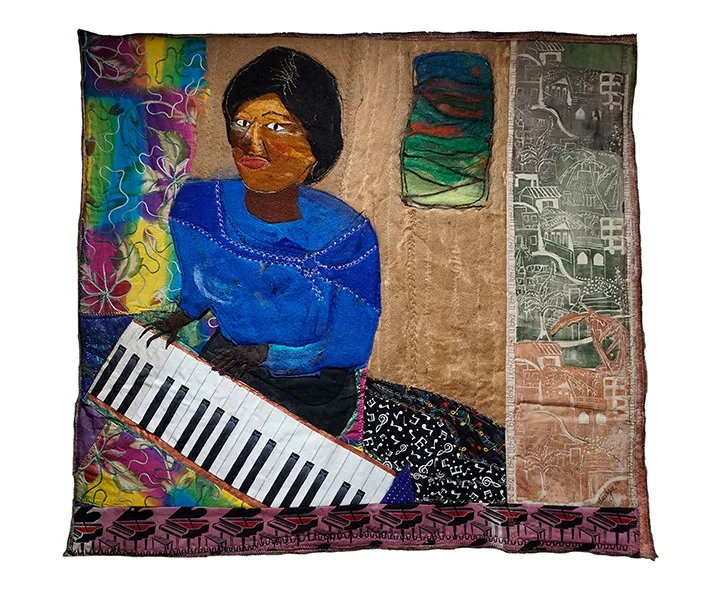
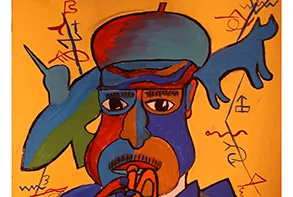
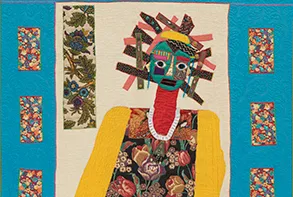
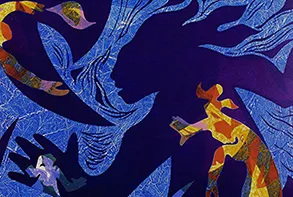
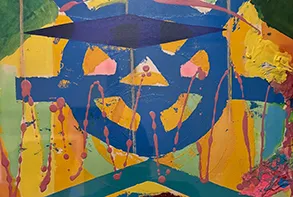
Patti Bown in Haiti 1972, 2016
Painted and felted art quilt
27 × 33 in.
Courtesy of the artist and Fridman Gallery
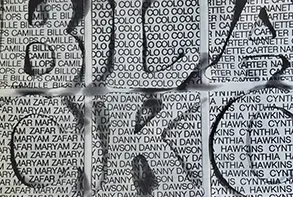
At the Carnival, McCannon taught collage and printmaking. Like other instructors there, she became inspired by the curriculum and the children’s emphasis on open-ended creative process. Soon, she began incorporating more creative risk-taking into her fiber work. Bessie’s Song and the quilt sculpture Blues Queens demonstrate this lasting influence through their use of found materials, irregular quilt shapes, and dramatic visual flourishes. Patti Bown in Haiti 1972, exemplifies the different textiles—such as felt—that she began adding into her work following her tenure at the Carnival.
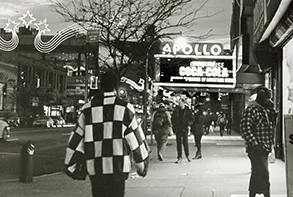
McCannon met Carnival executive director Betty Blayton-Taylor in the mid-1960s as a teenager when she took a mosaics class at HARYOU (Harlem Youth Opportunities Unlimited), an anti-poverty organization. Becoming Blayton-Taylor’s student and later her colleague—at a time when opportunities for Black women artists were especially scarce—reinforced McCannon’s dedication to uplifting the narratives of Black women. On display are several tributes to both famous and unsung Black women musicians, vocalists, composers, and songwriters. Blues Queens memorializes pioneering blues singers, including Clara Smith and Lillie Mae Glover; Bessie's Song honors iconic blues and jazz performer Bessie Smith; and Patti Bown in Haiti 1972 is named after the Jazz pianist who McCannon traveled with to Haiti.
MINI ORAL HISTORY