MICHAEL A. CUMMINGS
(b. 1945, Los Angeles, CA; lives and works in Harlem, NY)
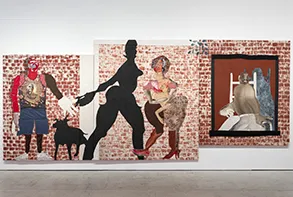
Michael A. Cummings is a textile artist who distinguishes himself as a male practitioner within the African American quilting tradition traditionally practiced by women. His vibrant narrative quilts explore inter-diasporic connections facilitated by shared visual, performing, and literary arts, often incorporating spiritual symbolism and African American historical figures.
Cummings earned a BA in Art History (1979) from SUNY Empire State College. Cummings has served as an arts administrator with the New York State Council on the Arts, a founding member of the Women of Color Quilters Network, and as an art instructor for the Children’s Art Carnival under the direction of artist Betty Blayton-Taylor. His recent solo exhibitions include Carracci Art (New York, 2022), The Festival of Quilts (Birmingham, England, 2022), Gallery 72 (Atlanta, 2019), City Quilters (New York, 2014), and the International Quilt Week Yokohama (Japan, 2014). He utilized fabric art to illustrate Alice McGill’s children’s compilation of slave lullabies, In the Hollow of Your Hand (1999). He has completed commissions for the Clinton Presidential Library (2020), the National Underground Railroad Freedom Center (2003), and HBO (1997). Cummings is a 2023 NEA National Heritage Fellow, and a 2016 National Research and Educational Institution History Makers Member. He has received awards including the Louis Comfort Tiffany Biennial Award (2001), the City of New York Art Commission (2001), and the Riverbank Review Children’s Book of Distinction (2001).
Children’s Art Carnival affiliation: Teaching Artist, Children’s Art Carnival, mid-to-late 1970s (approx. two years)

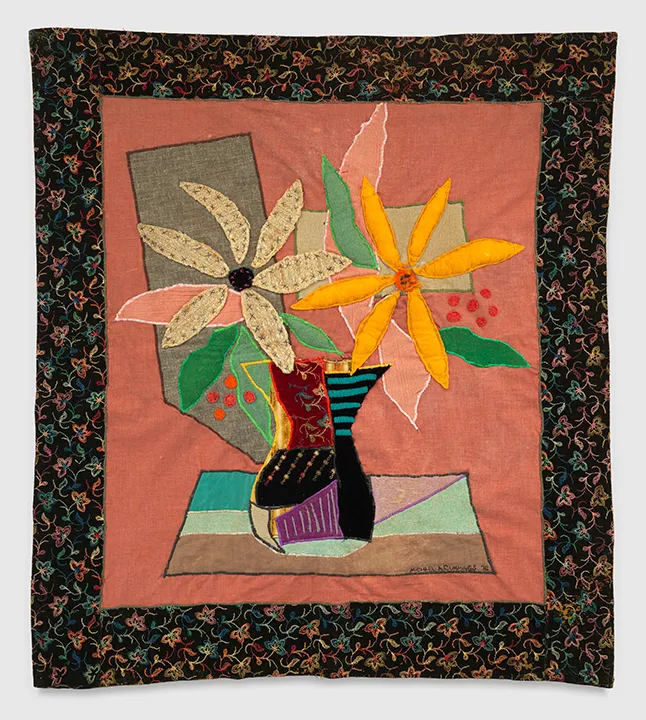
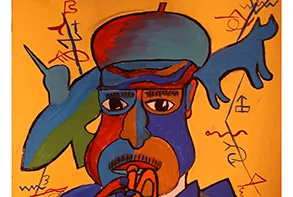
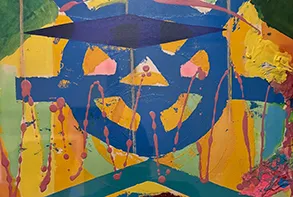
Flower Still Life, 1976
Fabric collage
42 × 36 in.
Courtesy of the artist and Carracci Art
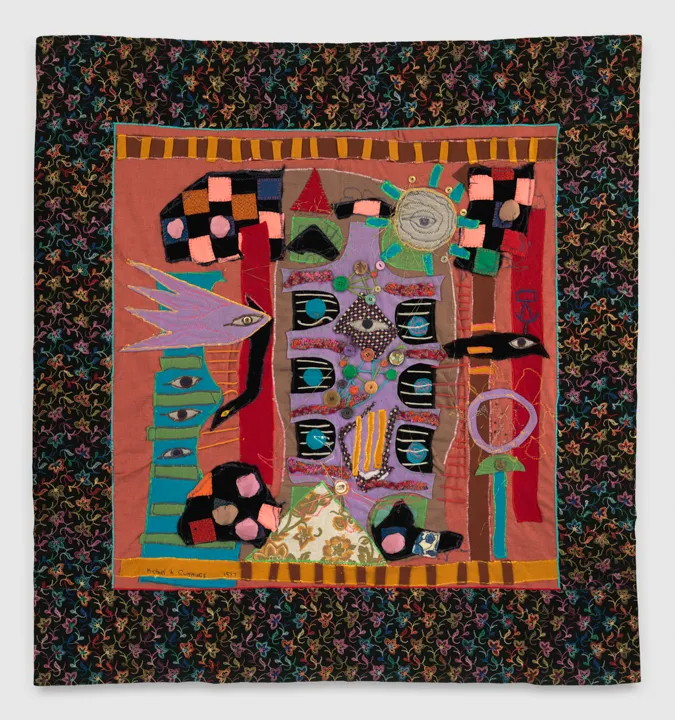
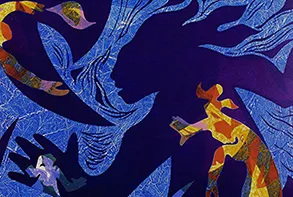
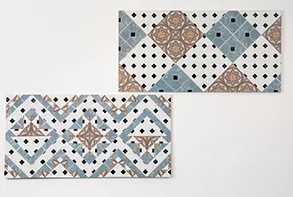
Pathway to Eternity, 1977
Fabric collage and mixed media
53 × 49 in.
Courtesy of the artist and Carracci Art
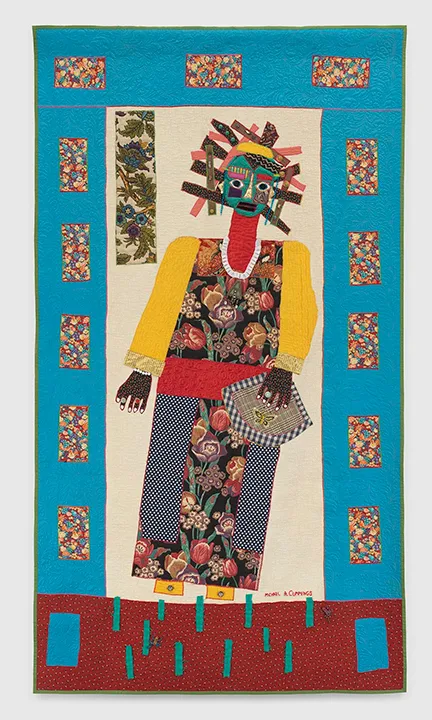
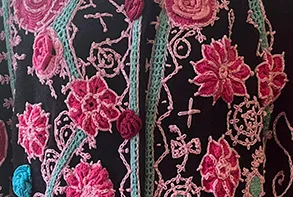
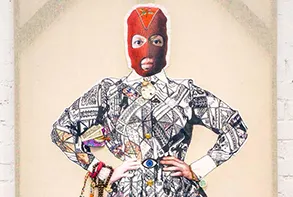
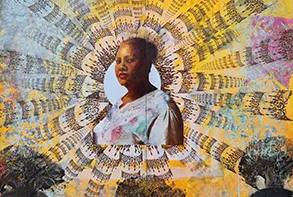
Sana Goes to Japan, 1979
Appliqué quilt
106 × 57 in.
Courtesy of the artist and Carracci Art
Photo credit: Christopher Burke Studio, NYC
These works–created around the time Michael A. Cummings worked at the Carnival—demonstrate how his experience there marked both an evolution in his practice and an enriching communal environment. When he joined the Carnival, his creative vision was constrained by traditional studio art practices. However, the curriculum’s emphasis on varied materials and techniques, along with the creative freedom he witnessed in students, encouraged a more flexible approach.
Flower Still Life reflects this shift, as Cummings combines fabrics and dimensional surfaces in a fluid method. Pathway to Eternity shows his growing use of decorative mixed-media embellishments. Working with the Carnival’s high school students on outdoor murals also gave him the skills and confidence to eventually create grand-scale quilts.
Sana Goes to Japan pays tribute to relationships formed at the Carnival. Inspired by fellow teacher, Sana Musasama, Cummings imagined how she might adorn herself in Japan, incorporating a kimono and her unique fashion sensibilities, including hair adorned with her handmade ceramic work.
“Even though some of the artists that came and went were there [the Carnival] for a short time, the friendships that were built were so strong that when we saw each other months, years later, we always had a smile on our face,” he said. “...It was sort of like extended family members.”
MINI ORAL HISTORY