Allan Sekula: Fish Story
Photographer, writer, and critic Allan Sekula (1951–2013) was one of the most influential visual theorists of his generation. His work profoundly impacted conceptual uses of photography and challenged assumptions about the image's role in creating meanings. Blending rigorous research with descriptive realism and impactful narrative, Sekula's photographs and essays explore labor, capitalism, and Marxist theory. Since his death, his influence on understanding photography as both a communicative and aesthetic tool has continued to grow.
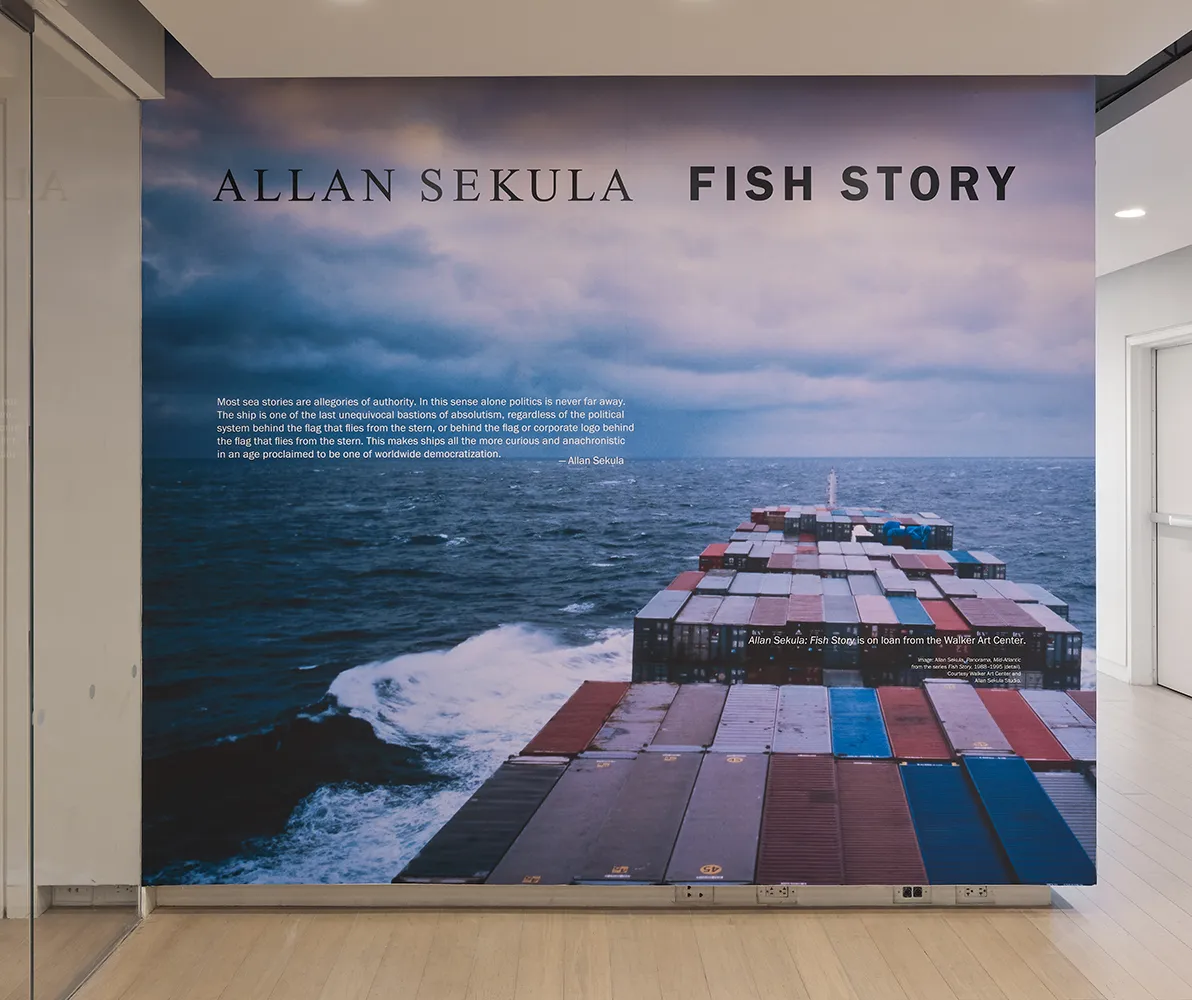
“My argument here runs against the commonly held view that the computer and telecommunications are the sole engines of the third industrial revolution. In effect, I am arguing for the continued importance of maritime space in order to counter the exaggerated importance attached to that largely metaphysical construct, “cyberspace,” and the corollary myth of “instantaneous” contact between distant spaces.” - Allan Sekula, Fish Story
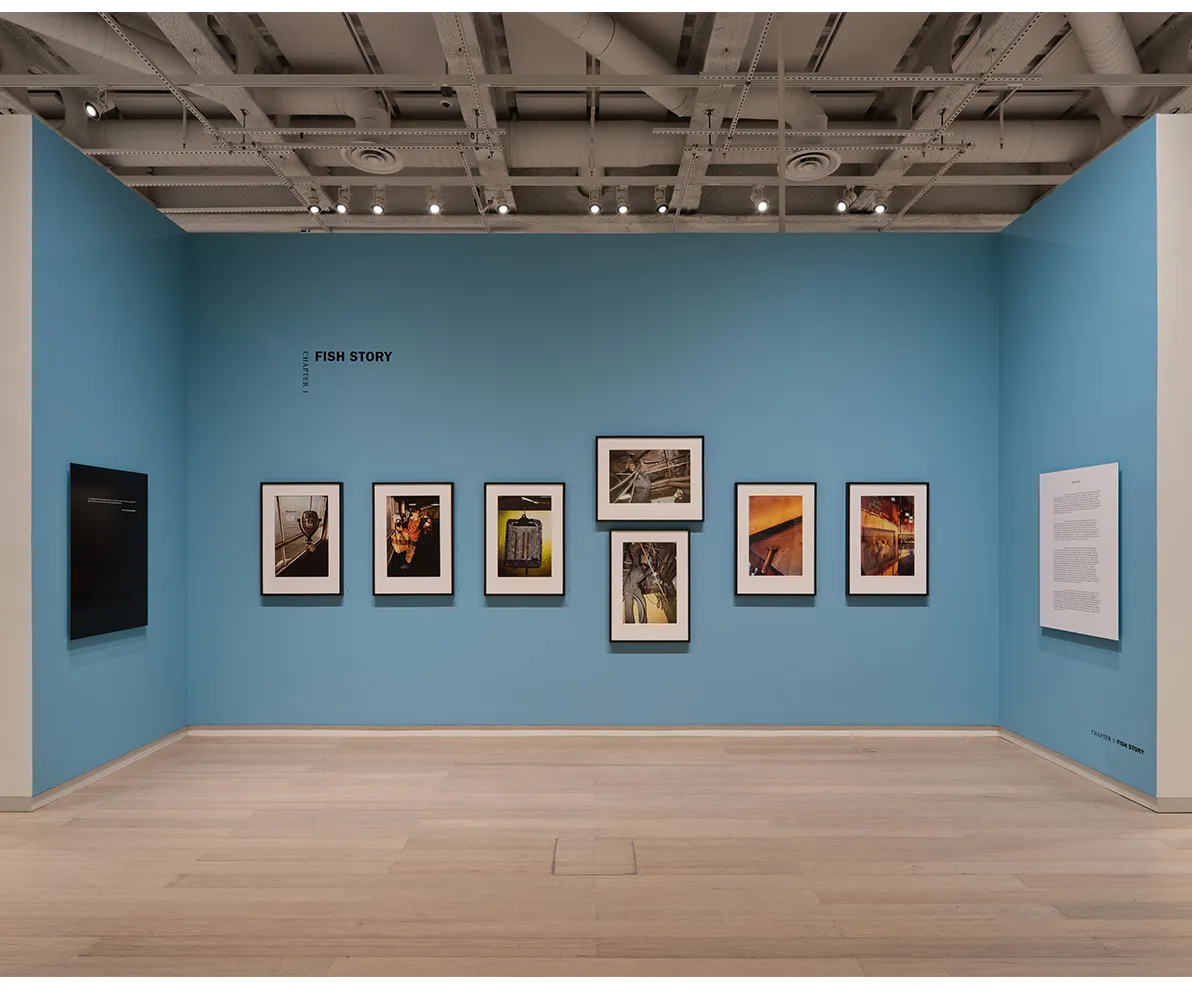
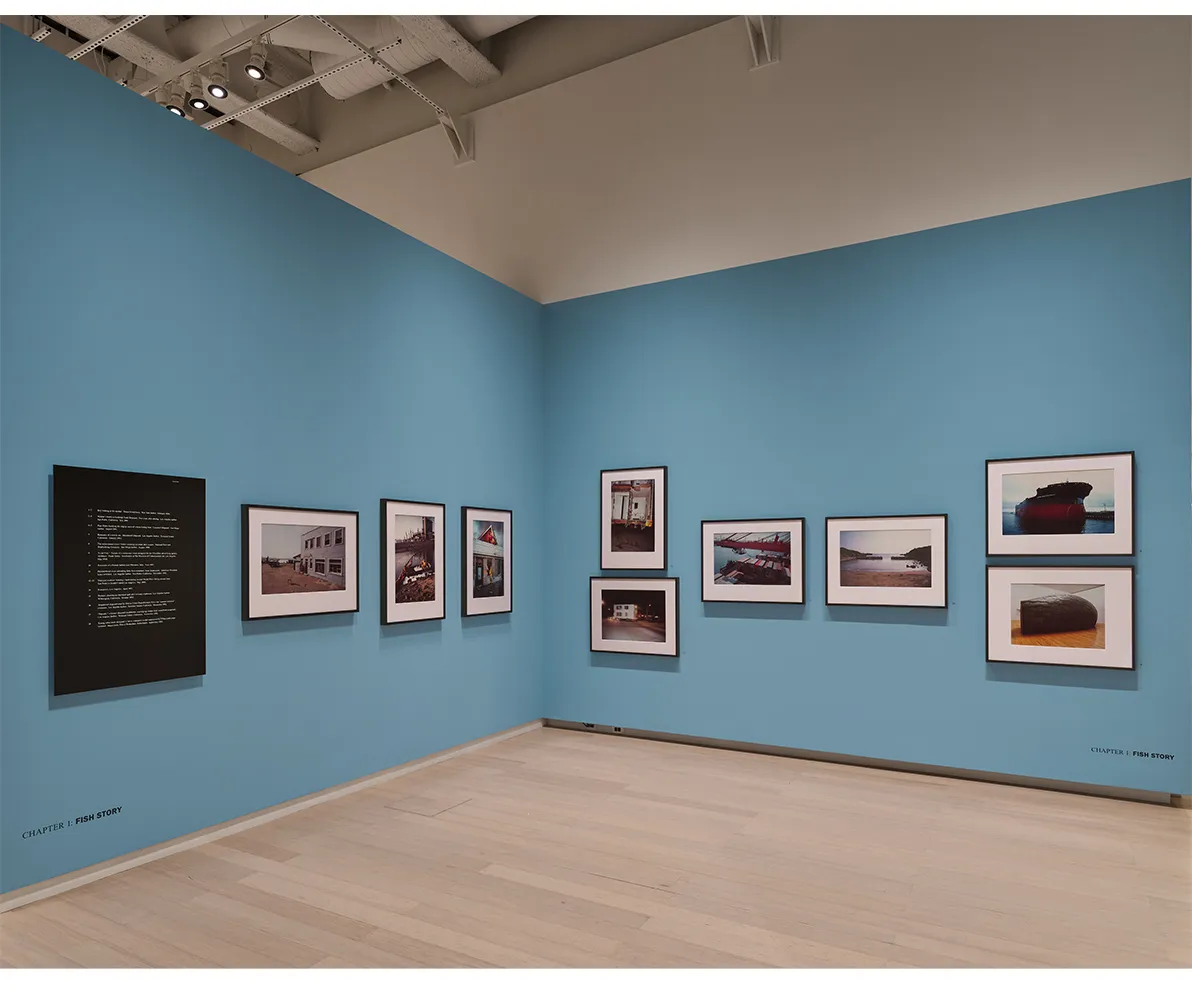
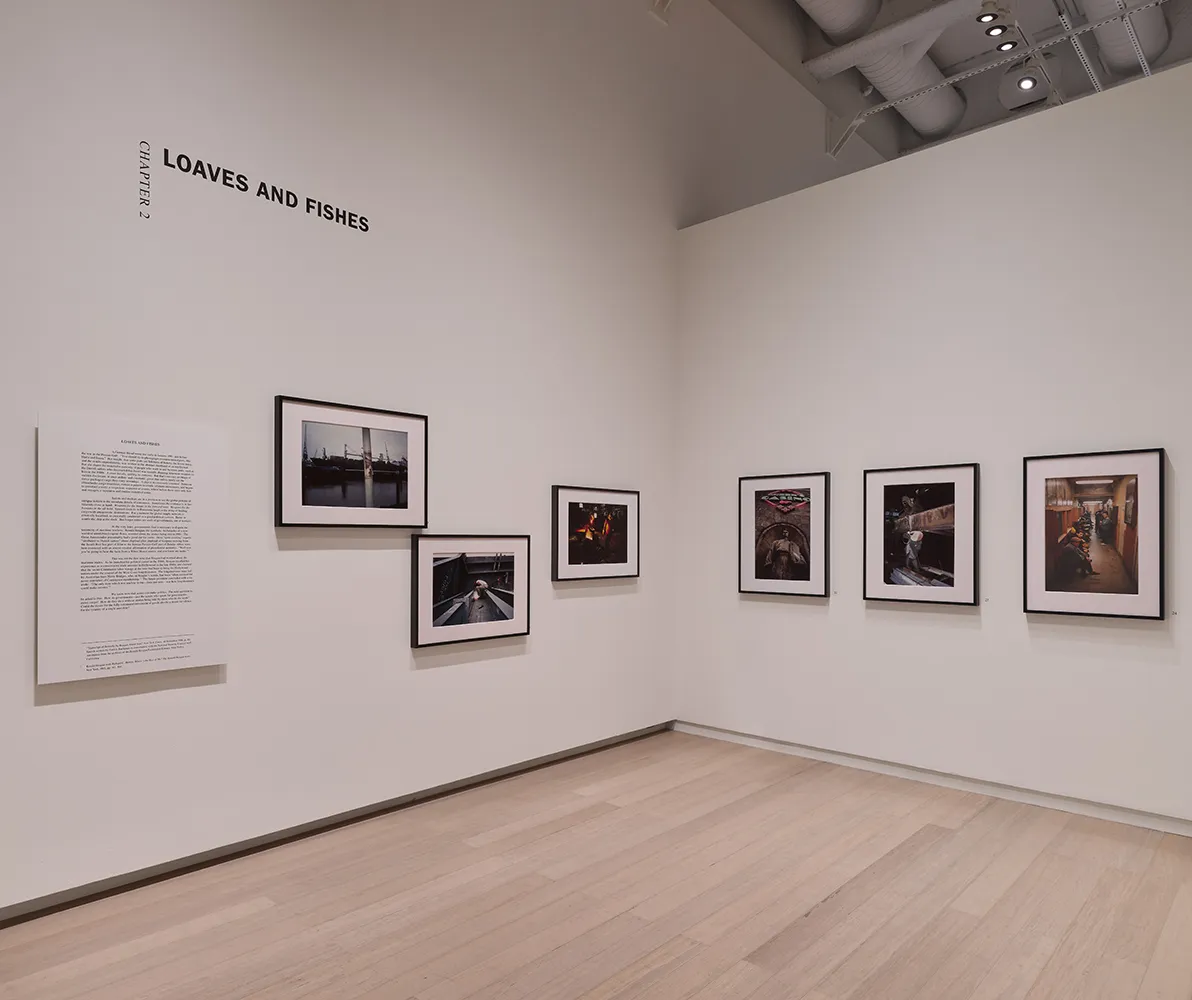
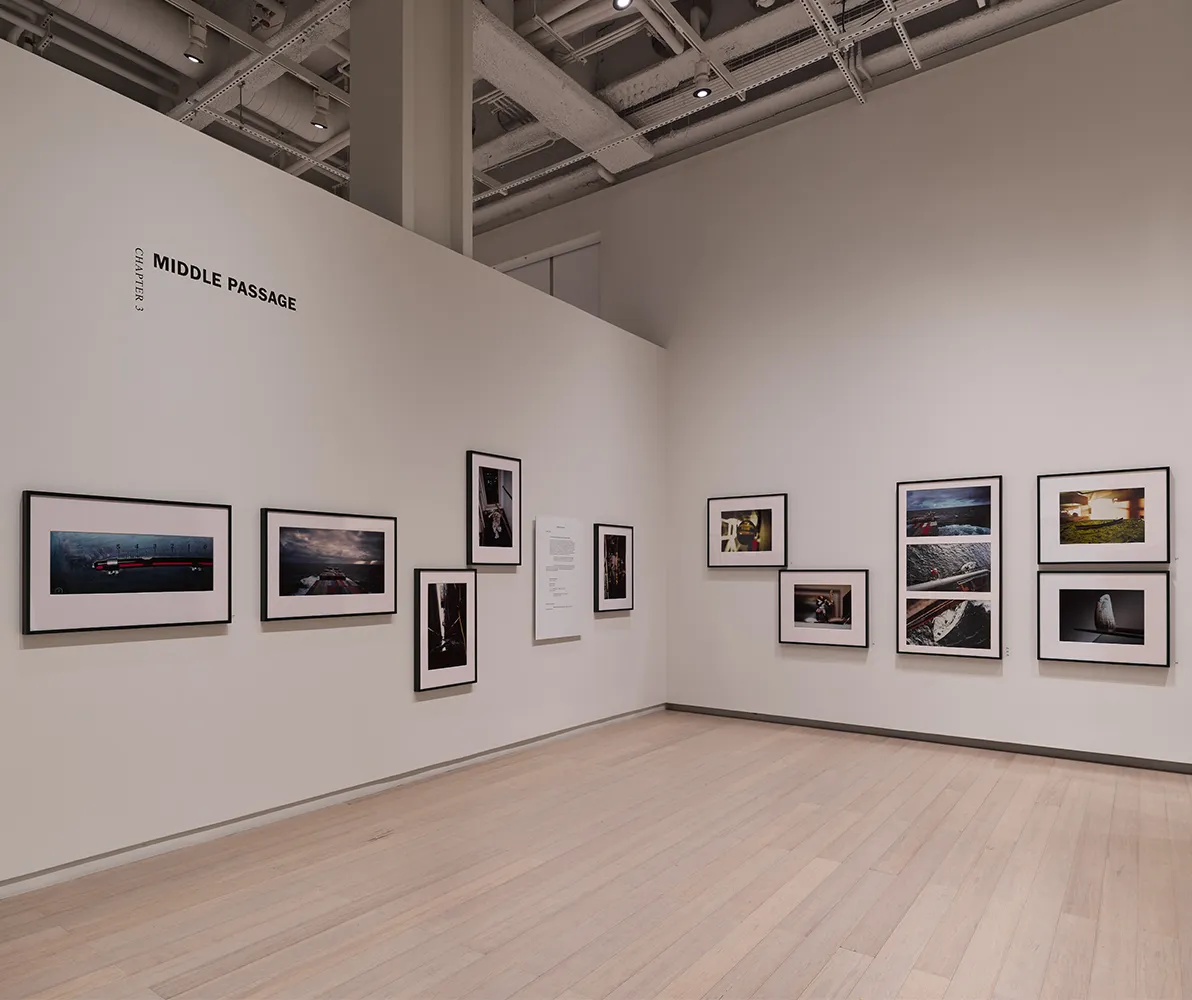
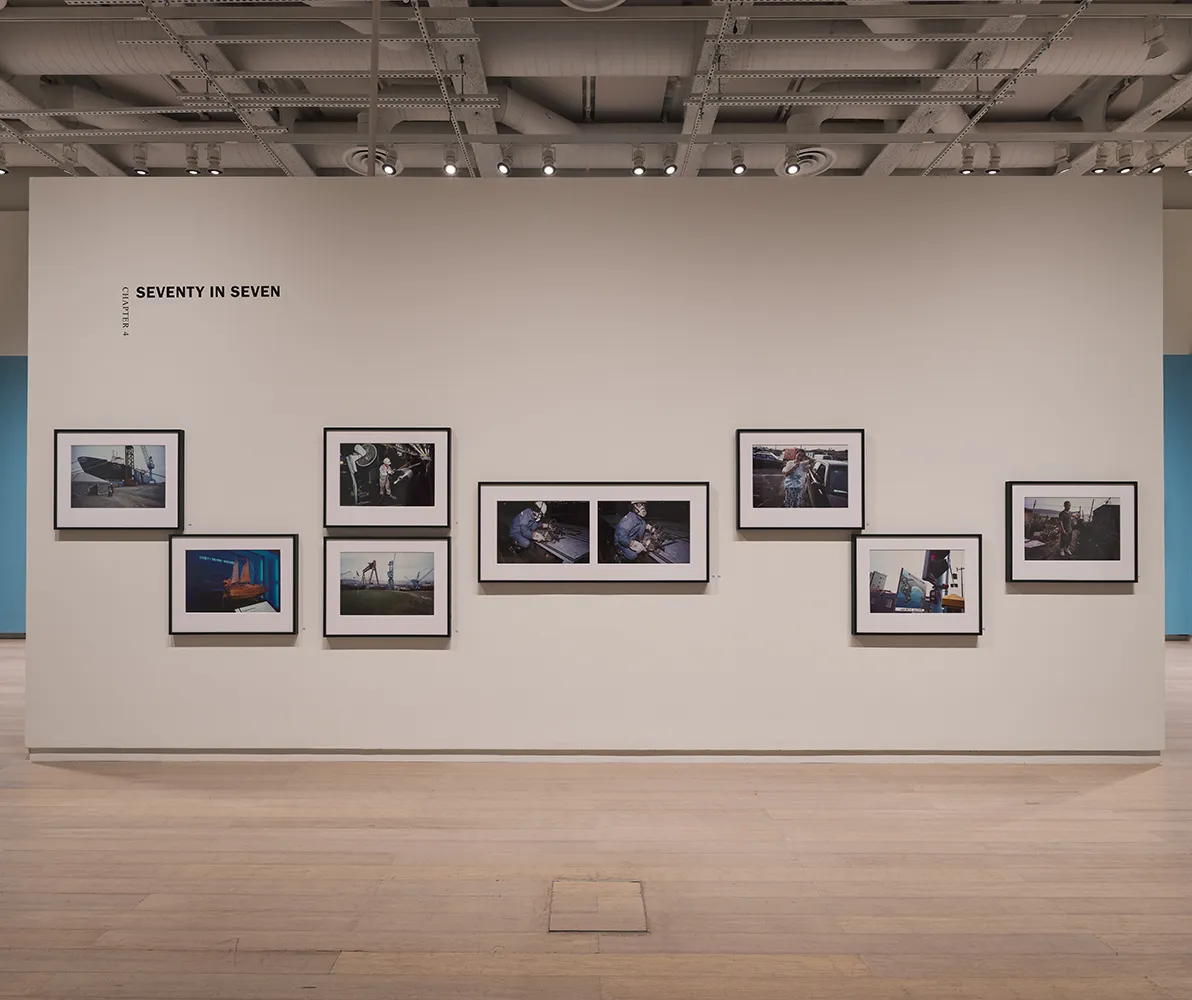
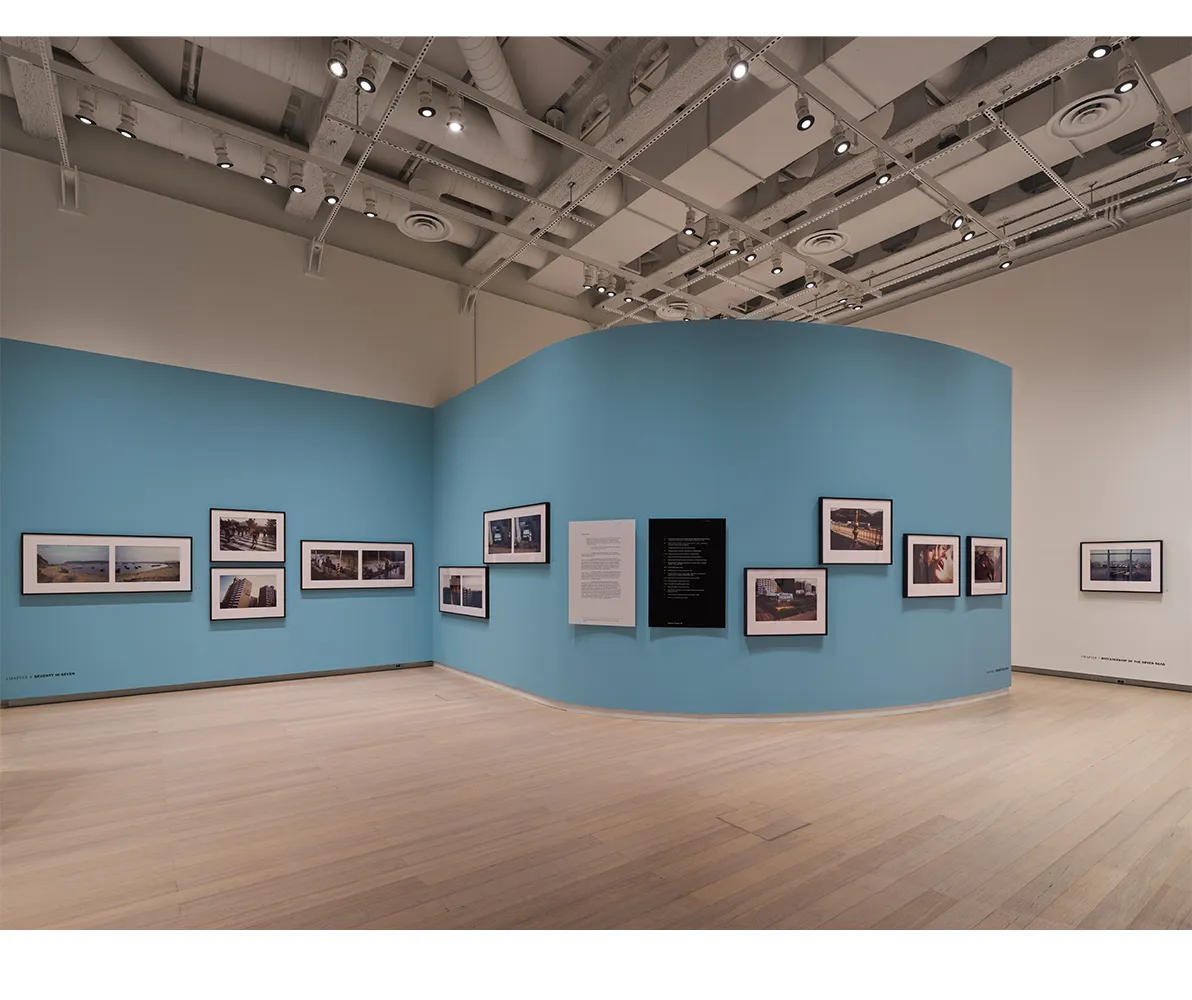
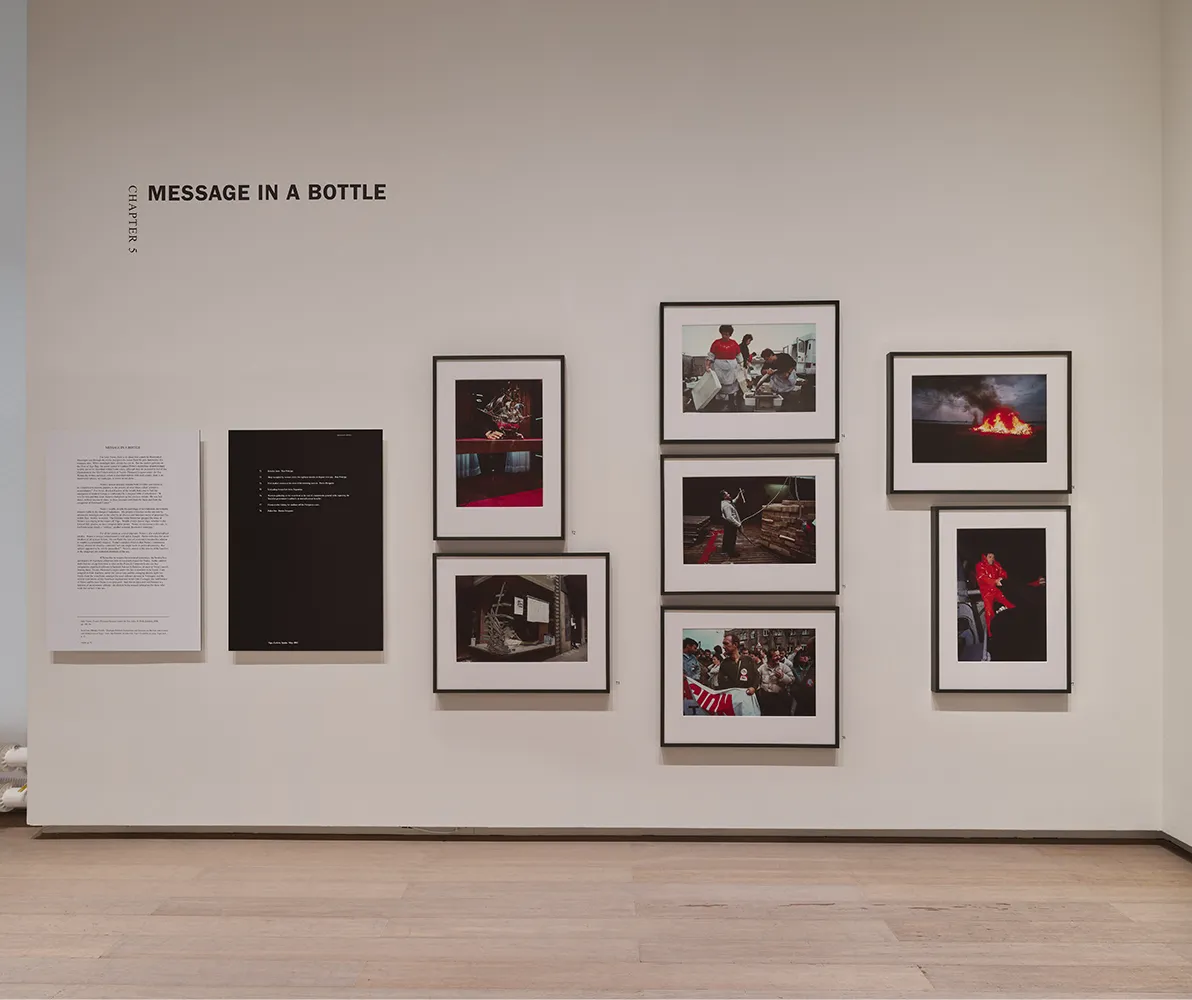
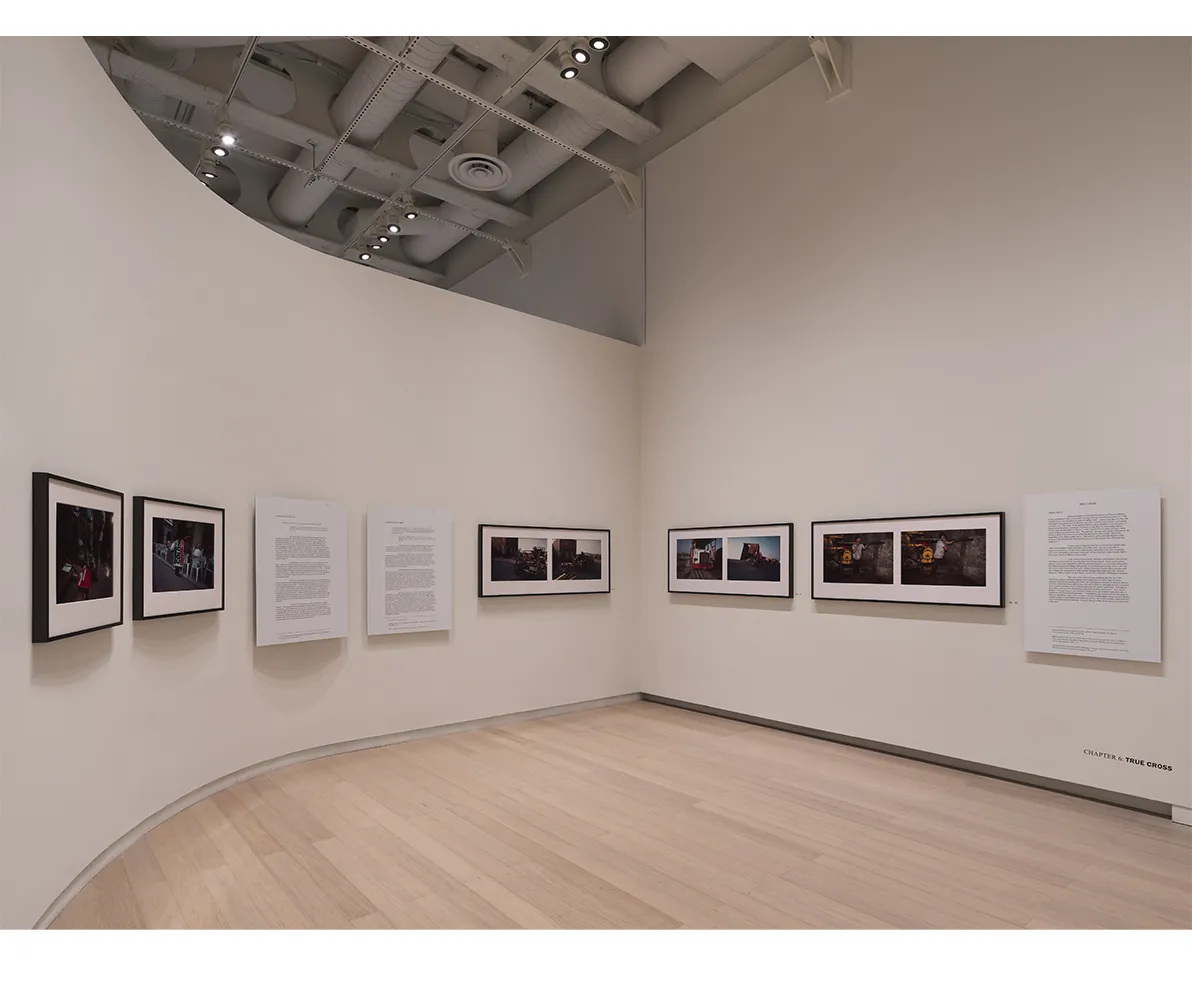
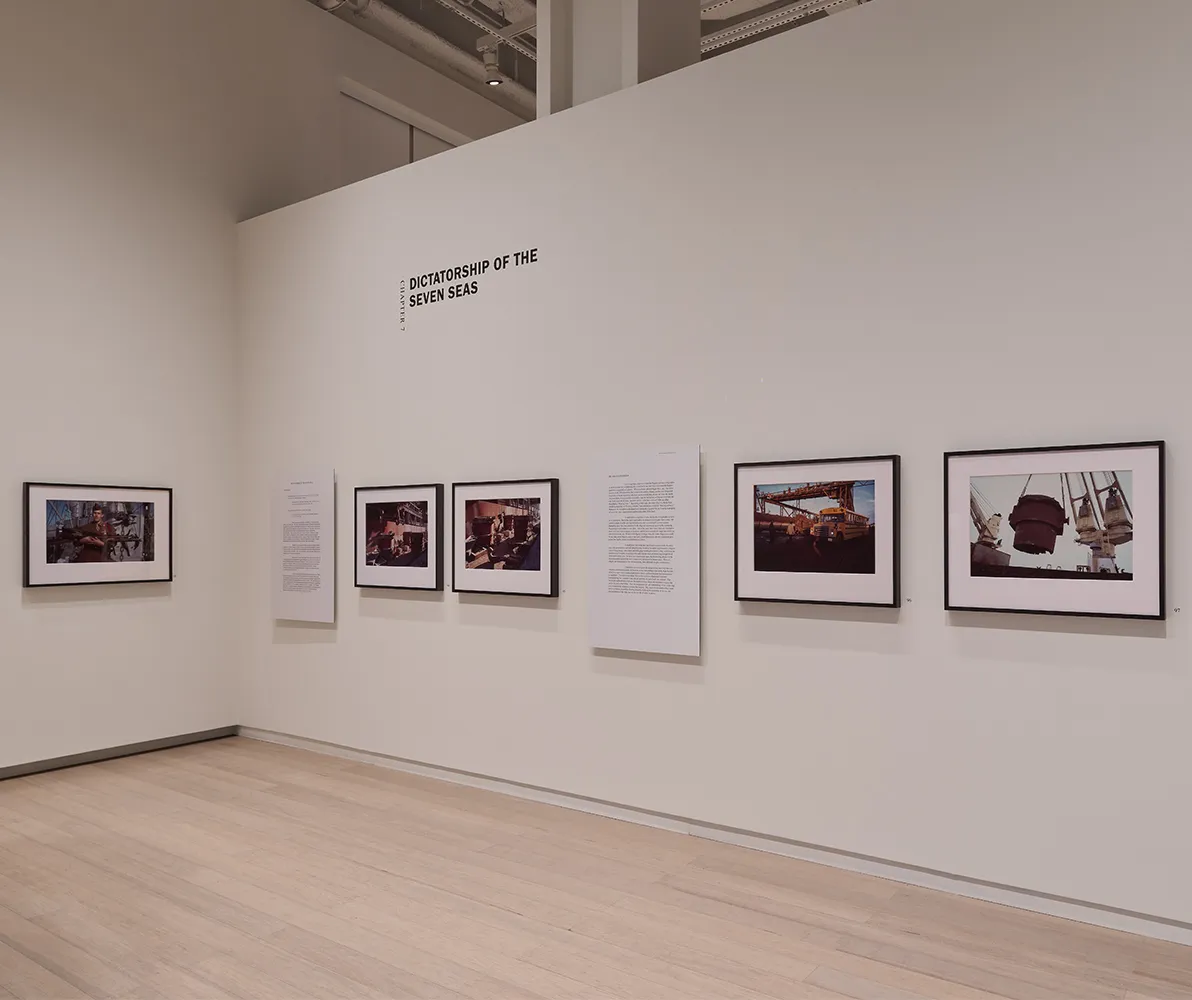
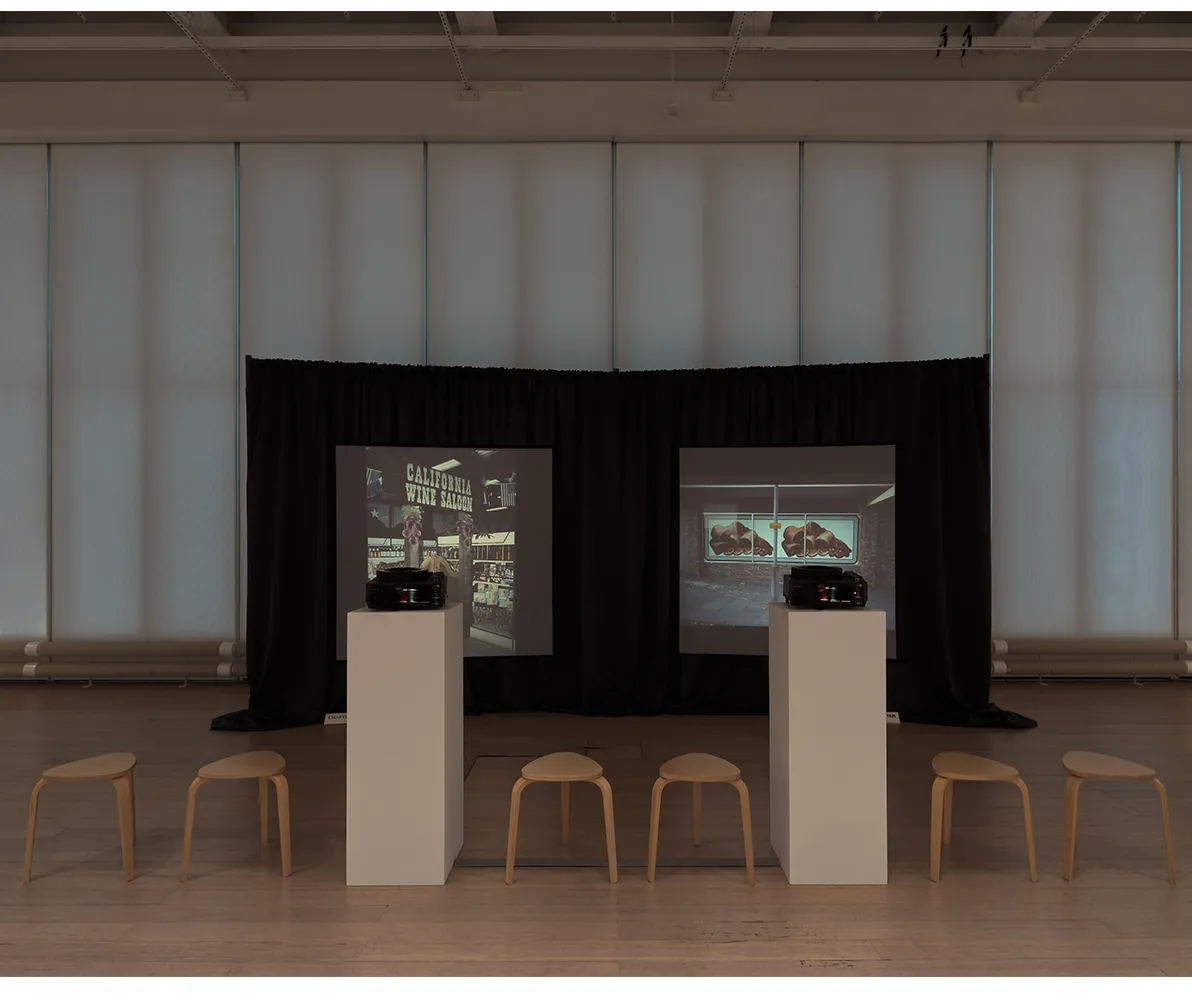
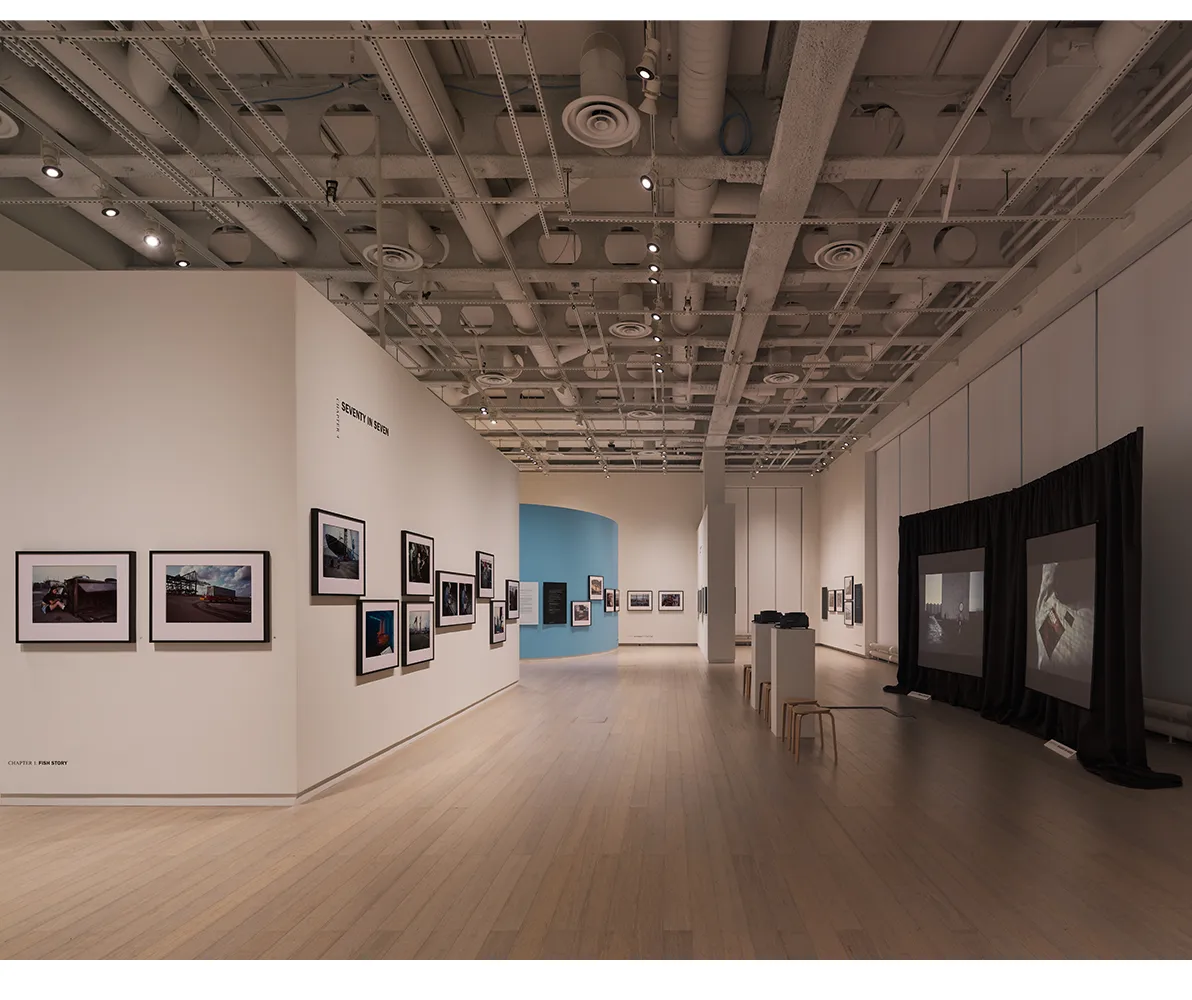
First exhibited in 1995 at the Witte de With Center for Contemporary Art, Rotterdam (now Kunstinstituut Melly), Fish Story is on loan from the Walker Art Center, Minneapolis, the only museum to have collected the entire project. Unfolding over nine interwoven chapters, Fish Story is one of the late 20th century’s most important image-based research projects and has rarely been exhibited as a complete project. Conceived as both an exhibition and a book, the project comprises 105 photographs, two slide projections, and 26 accompanying texts written by the artist that challenge and expand both the tradition of documentary photography and romantic notions of the sea. Underscoring photography's role in labor history and in working-class responses to globalization, Fish Story constitutes a unique record of unemployment and dilapidation of old industrial powers, the capitalist pursuit of cheap labor around the globe, and the strenuous work of seafaring. Fish Story is the result of seven years (1988–1995) of documenting harbors and port cities around the world. Sekula began his journey in Los Angeles at the port in San Pedro, where he grew up, and traveled as far as Korea, Scotland, and Poland, photographing the prosperity, poverty, and political powers that continue to play out in these sites.
SELECTED ARTWORKS IN THE EXHIBITION
Image Carousel with 7 slides
A carousel is a rotating set of images. Use the previous and next buttons to change the displayed slide
-
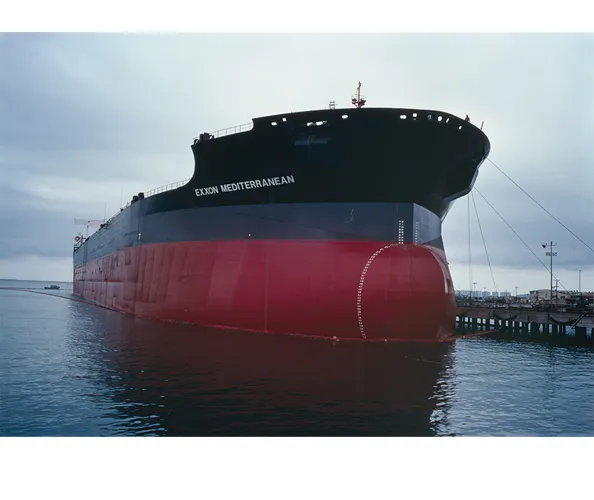
Slide 1: Allan Sekula, "The rechristened Exxon Valdez awaiting sea trials after repairs. National Steel and Shipbuilding Company. San Diego harbor, August 1990 from Fish Story, Chapter One: Fish Story, 1988-1995. Courtesy of the Walker Art Center and Allan Sekula Studio
-
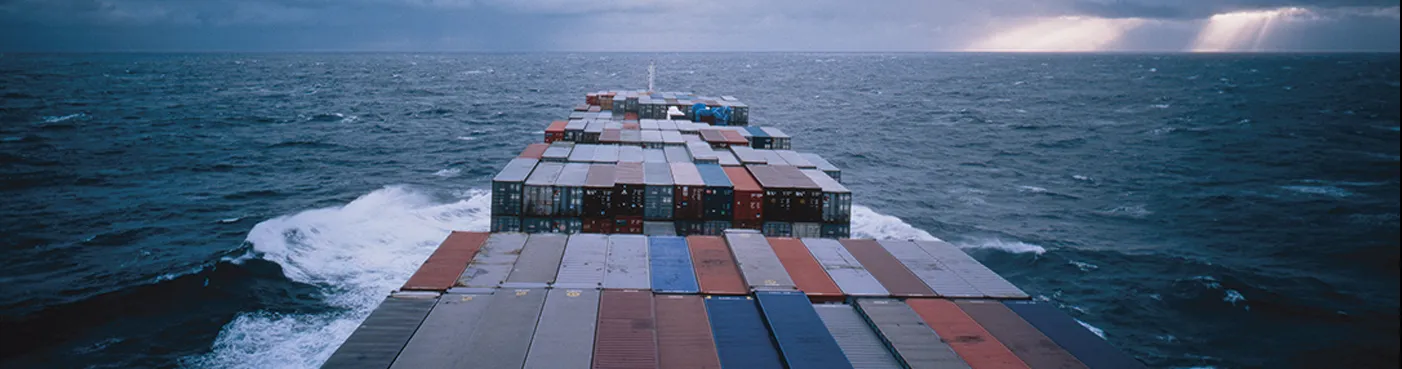
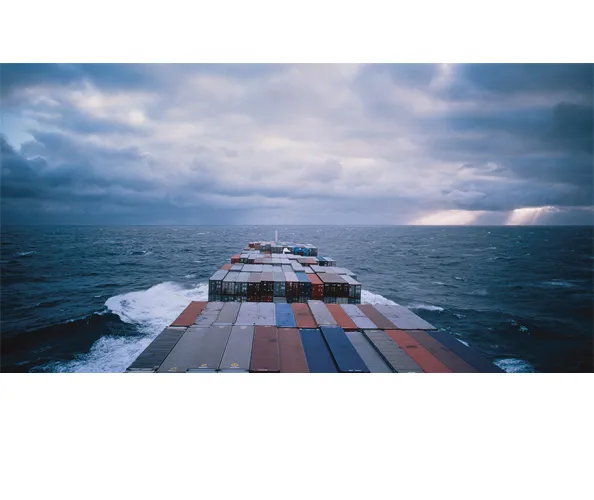
Slide 2: Allan Sekula, "Panorama. Mid-Atlantic," from Fish Story, Chapter Three: Middle Passage, 1988-1995. Courtesy of the Walker Art Center and Alan Sekula Studio.
-
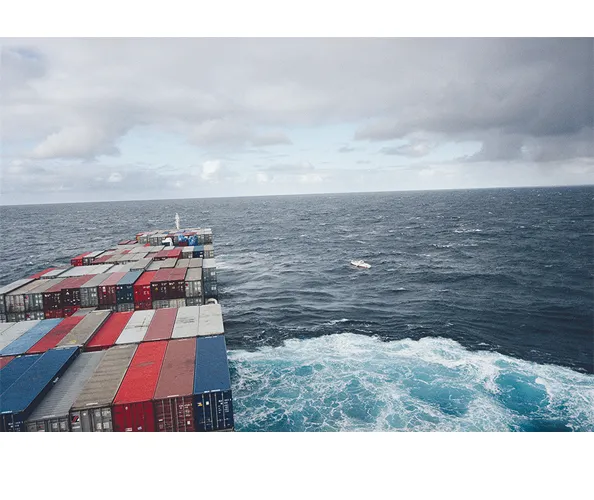
Slide 3: Allan Sekula, "Conclusion of search for the disabled and drifting sailboat Happy Ending," (detail) from Fish Story, Chapter Three: Middle Passage, 1988-1995. Courtesy of the Walker Art Center and Alan Sekula Studio.
-
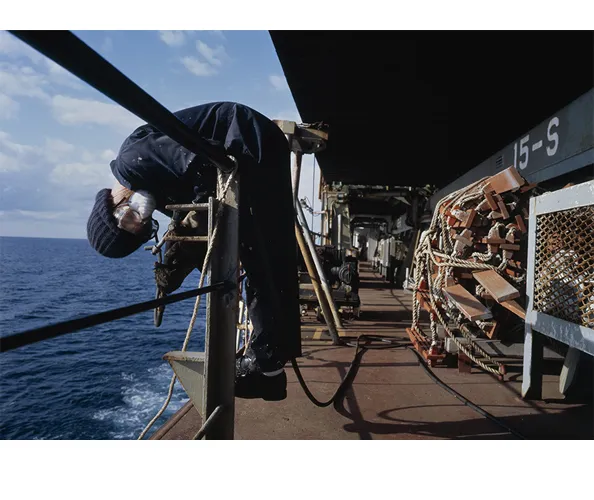
Slide 4: Allan Sekula, "Able-bodied seaman chipping paint. Mid-Atlantic," from Fish Story, Chapter Three: Middle Passage, 1988-1995. Courtesy of the Walker Art Center and Alan Sekula Studio.
-
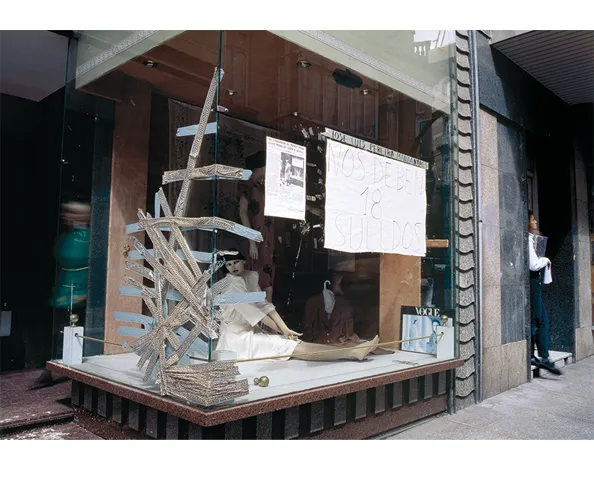
Slide 5: Allan Sekula, "Shop occupied by woman clerks for eighteen months in dispute over pay," from Fish Story, Chapter Six: True Cross, 1988-1995. Courtesy the Walker Art Center and Alan Sekula Studio
-
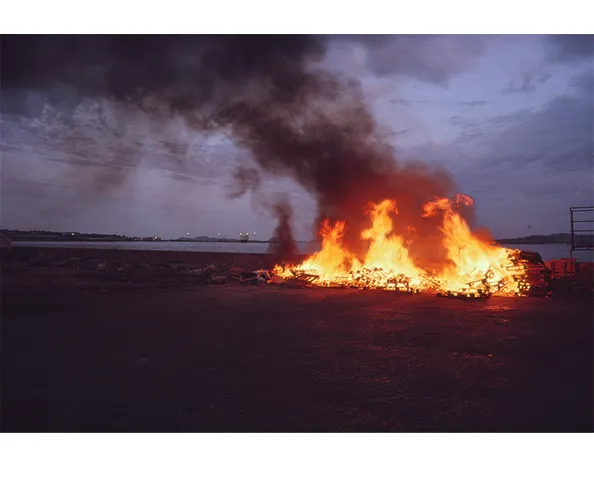
Slide 6: Allan Sekula, "Pallet Fire, Puerto Pesquero," from Fish Story, Chapter Six: True Cross, 1988-1995. Courtesy of the Walker Art Center and Alan Sekula Studio
-
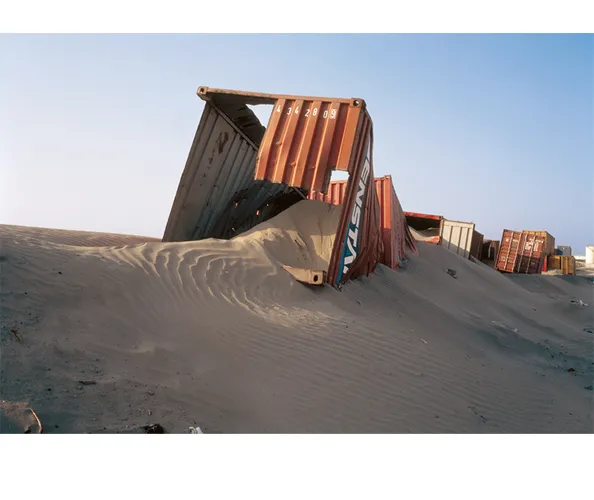
Slide 7: Allan Sekula, "Containers used to contain shifting sand dunes," from Fish Story, Chapter Seven: Dictatorship of the Seven Seas, 1988-1995. Courtesy of the Walker Art Center and Allan Sekula Studio.
The project, which examines the beginnings of an expanding and truly globalized shipping industry, reminds us that the precarious balance between large economic forces, climate change, and international politics has existed across decades. At a time when the world is feeling the strain placed on this international supply chain, Sekula’s Fish Story is once again asking us to consider the invisible human cost of economics. To Sekula, the ocean was the ‘forgotten space.’ Out of mind, it was relegated to the margins of romanticized imaginings of a past long gone; its saline waters and fauna, its complicated histories linking myriad geographies, its trauma and beauty, all replaced by the abstractions of globalized flows of capital.
A new edition of Sekula’s long-out-of-print, seminal publication Fish Story, with a new introduction by Professor Laleh Khalili (SOAS University), has been recently published in print and ebook editions by MACK.
INSTALLATION VIEWS
Image Carousel with 12 slides
A carousel is a rotating set of images. Use the previous and next buttons to change the displayed slide
-
Slide 1: Installation view of “Allan Sekula: Fish Story,” on view at the Wallach Art Gallery from October 2 to December 20, 2026. Photograph by Olympia Shannon.Installation view of “Allan Sekula: Fish Story,” on view at the Wallach Art Gallery from October 2 to December 20, 2026. Photograph by Olympia Shannon.
-
Slide 2: Installation view of “Allan Sekula: Fish Story,” on view at the Wallach Art Gallery from October 2 to December 20, 2026. Photograph by Olympia Shannon.
-
Slide 3: Installation view of “Allan Sekula: Fish Story,” on view at the Wallach Art Gallery from October 2 to December 20, 2026. Photograph by Olympia Shannon.
-
Slide 4: Installation view of “Allan Sekula: Fish Story,” on view at the Wallach Art Gallery from October 2 to December 20, 2026. Photograph by Olympia Shannon.
-
Slide 5: Installation view of “Allan Sekula: Fish Story,” on view at the Wallach Art Gallery from October 2 to December 20, 2026. Photograph by Olympia Shannon.
-
Slide 6: Installation view of “Allan Sekula: Fish Story,” on view at the Wallach Art Gallery from October 2 to December 20, 2026. Photograph by Olympia Shannon.
-
Slide 7: Installation view of “Allan Sekula: Fish Story,” on view at the Wallach Art Gallery from October 2 to December 20, 2026. Photograph by Olympia Shannon.
-
Slide 8: Installation view of “Allan Sekula: Fish Story,” on view at the Wallach Art Gallery from October 2 to December 20, 2026. Photograph by Olympia Shannon.
-
Slide 9: Installation view of “Allan Sekula: Fish Story,” on view at the Wallach Art Gallery from October 2 to December 20, 2026. Photograph by Olympia Shannon.
-
Slide 10: Installation view of “Allan Sekula: Fish Story,” on view at the Wallach Art Gallery from October 2 to December 20, 2026. Photograph by Olympia Shannon.
-
Slide 11: Installation view of “Allan Sekula: Fish Story,” on view at the Wallach Art Gallery from October 2 to December 20, 2026. Photograph by Olympia Shannon.
-
Slide 12: Installation view of “Allan Sekula: Fish Story,” on view at the Wallach Art Gallery from October 2 to December 20, 2026. Photograph by Olympia Shannon.